




Bathroom door moisture resistant
When a customer says “I need a moisture-resistant door to the bathroom,” in 90% of cases he simply means “to prevent it from swelling.” And this is the first and most gross misconception. Moisture resistance is not a magical property, but a set of technological solutions, and not everything that is labeled as 'moisture resistant' will actually withstand the real conditions of a Russian bathroom with its temperature changes, steam and direct splashes. Now I’ll explain it in layman’s terms, based on what I saw at sites and in production.
Raw materials: the core matters
Let's start with the basics. Many people think that if the canvas is covered with PVC film or veneer, then it is already protected. It's an illusion. The main enemy is moisture that penetrates inside, into the core. Standard chipboards (chipboards), even with impregnation, are a lottery. They can stand for years, or they can give rise to waves along the edge over the course of a season. I personally encountered when, after renovations in a new building, six months later, a client’s door in the combined bathroom “lost” at the bottom. The reason is a budget canvas with a chipboard core of standard density, the ends of which, despite the edge, have collected moisture from frequent wet cleaning.
So now for the real onesmoisture resistant bathroom doorsthey use either moisture-resistant chipboard (a greenish tint on the cut - this is a marker), or, which is more reliable, an engineered mass or honeycomb core with special partitions. For example, on the websiteAnhui Wantai Woodworking Co.,Ltd (https://www.anhuiwantai.ru) product descriptions emphasize the selection of raw materials and process control. These are not just words. If the manufacturer purchases slabs from trusted suppliers and actually conducts swelling tests (usually 24 hours in water), this is already half the success. Their philosophy of “building a business on precision” is just right here - inaccuracy in the choice of core kills the whole concept of moisture resistance.
Another nuance is the edge. It should not just be glued, but made by post-forming or be made of the same material as the coating, with a perfect fit. Any microscopic gap is a capillary for water.
Coating: Not all film is created equal
Lamination with PVC film is the most common option. But there’s a catch here too. There are films with a thickness of 0.3 mm, and there are 0.5 and more. The difference is in resistance to mechanical stress and, importantly, in the quality of the adhesive layer. Cheap film with low-quality glue can come off in the corners over time, especially when exposed to steam. A good, dense coating not only repels water, but also better maintains the geometry of the canvas.
An alternative is eco-veneer or acrylic-impregnated veneer. It looks more solid, but requires more careful care of the ends. Painted MDF sheets are also an option, but the quality of the paint and primer must be of the highest quality. I remember a project where the designer insisted on a matte painted bathroom door. A year later, microcracks appeared around the handle and in the lower third. Steam and changes did their job. Conclusion: for conditions of constant high humidity, lamination is often more practical.
The company I mentionedAnhui Wantai Woodworking Co.,Ltd, in its line offers solutions that combine design and practicality. This is a key point: their task is not just to make a door that is moisture-resistant, but to ensure that it also fits into the interior. Therefore, the range of coatings and profiles from such manufacturers is usually wide.
Construction and fittings: the devil is in the details
The canvas is only half the battle. Box! A common mistake is to place moisture-resistant canvas in a regular pine box without treatment. It will begin to turn black or rot before anything happens to the door. The box must be made of the same moisture-resistant material or, at a minimum, impregnated with a deep penetration antiseptic.
Gaps. They should not be made too small, as in living rooms. A technological gap is needed for air circulation so that condensate does not stagnate. Usually 3-4 mm from below, if there is no threshold. But here the question of ventilation of the room itself arises.
Loops. Standard card loops are a risk point. Rust is not a major issue and there are many stainless options now. The main thing is that they often expose the end of the canvas at the insertion point. Hidden loops, which are less exposed to direct steam, are preferable. Or, at worst, hinges with anti-corrosion coating, but you need to keep an eye on this.
Montage: theory crashes into reality
You can buy the most perfect door, but kill it with improper installation. The basic rule is to never install a door immediately after laying tiles and finishing until the “wet” processes in the room are completely completed and the walls and screed are dry. Ideally, wait a couple of weeks after completing all work with water.
Sealing the junction of the box and the wall. Be sure to use silicone sealant, and a good, sanitary one, with antifungal additives. Not polyurethane foam! It is hygroscopic. I saw how the “specialists” foamed the box, and then wondered why the slope was wet.
And the most important thing is ventilation. If there is no hood in the bathroom or it is weak, none, even the mostmoisture proof bathroom door, will not save. It is necessary to explain to the customer that the door is part of the system. Sometimes it is worth recommending canvases with ventilation grilles at the bottom or with an increased gap.
Practical case and conclusions
I had an object - an apartment in an old building with a small bathroom. The customer wanted a dull matte canvas to match the color of the walls. Conditions: poor ventilation, clothes often dry out. They recommended him a model with a core made of moisture-resistant MDF and a coating of thick PVC film imitating matte painting, from the sameAnhui Wantai Woodworking Co.,Ltd. Plus - mandatory installation of forced exhaust. Three years have passed and there have been no requests. The canvas was not deformed, the appearance is like new.
Bottom line. Choosingbathroom door moisture resistant, you need to look at the system: 1) core (moisture-resistant board or engineering structure), 2) coating (quality of edges and joints), 3) frame and fittings (processing, material), 4) operating conditions (ventilation). No element can be ignored.
Manufacturers who likeAnhui Wantai Woodworking Co.,Ltd, focus on complete control of the cycle - from raw materials to packaging - are usually more predictable in quality. Their declared desire to “satisfy diverse needs” is precisely about the need to select a solution for specific, rather than abstract, bathroom conditions. There is no one universal moisture-resistant door; there is only one that is correctly selected and installed.
Correspondingproducts
Related Products
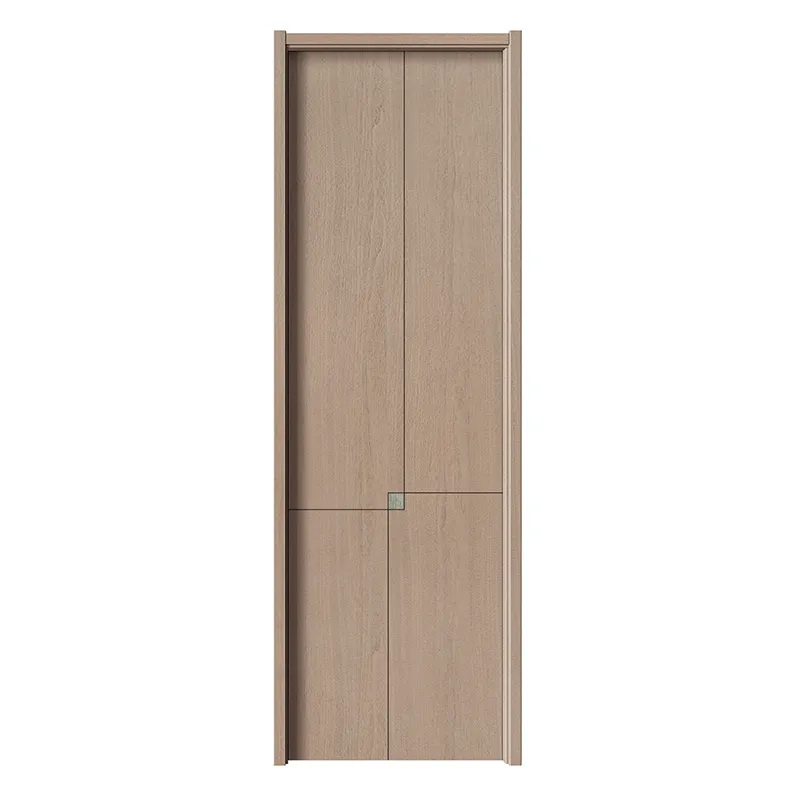
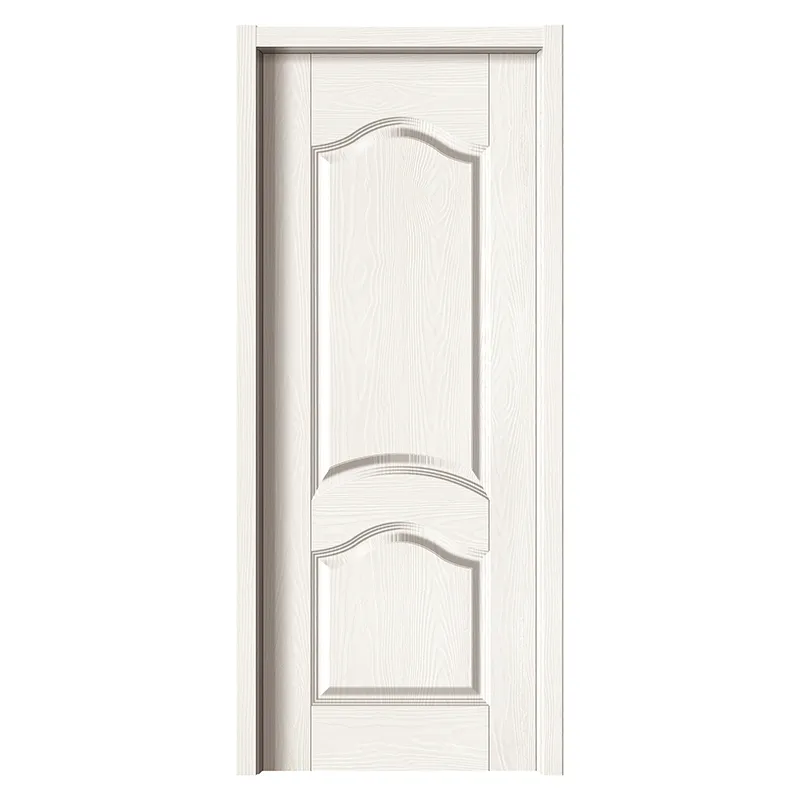
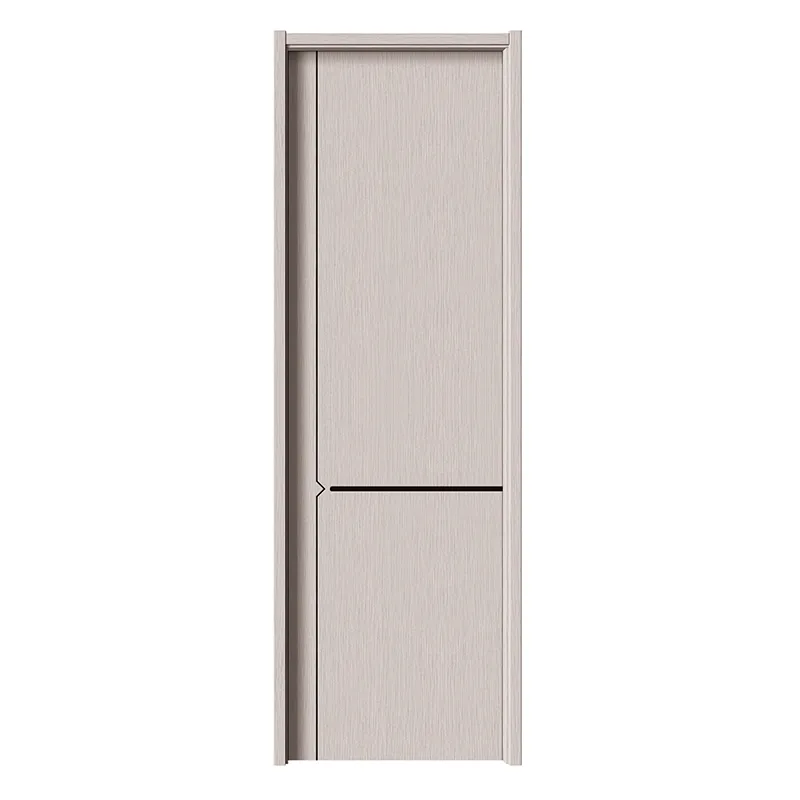

Best Sellingproducts
Best Selling Products-
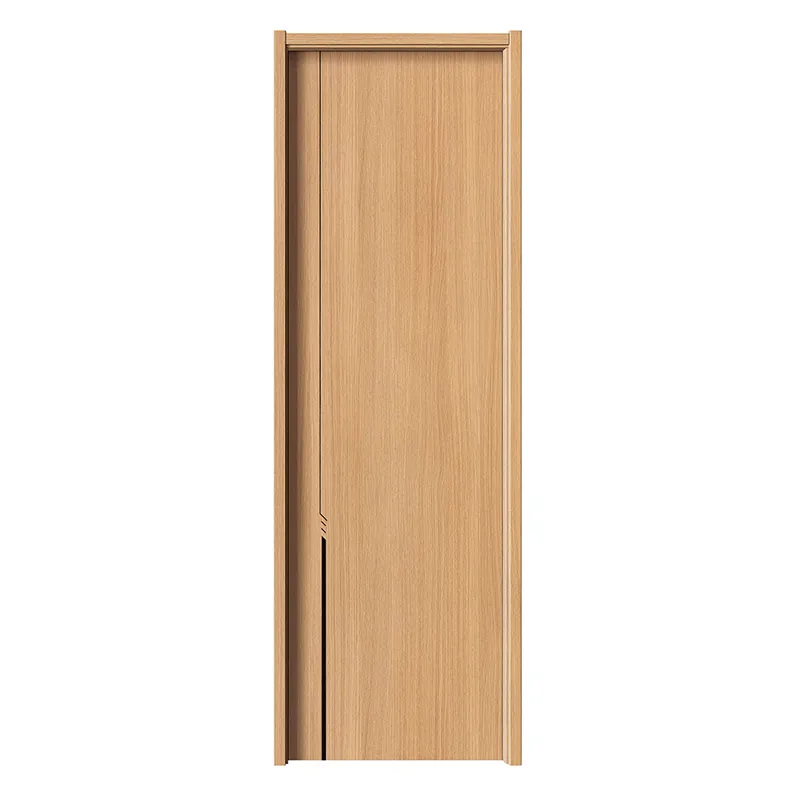 YST-1041 Door Oak Shutter
 -
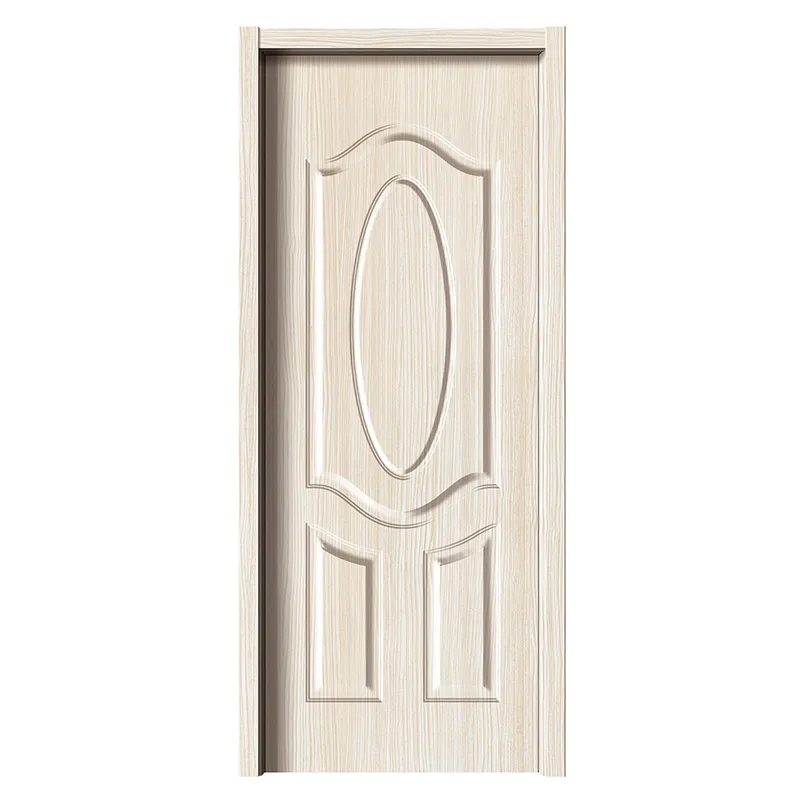 YST-216 Door White Maple
 -
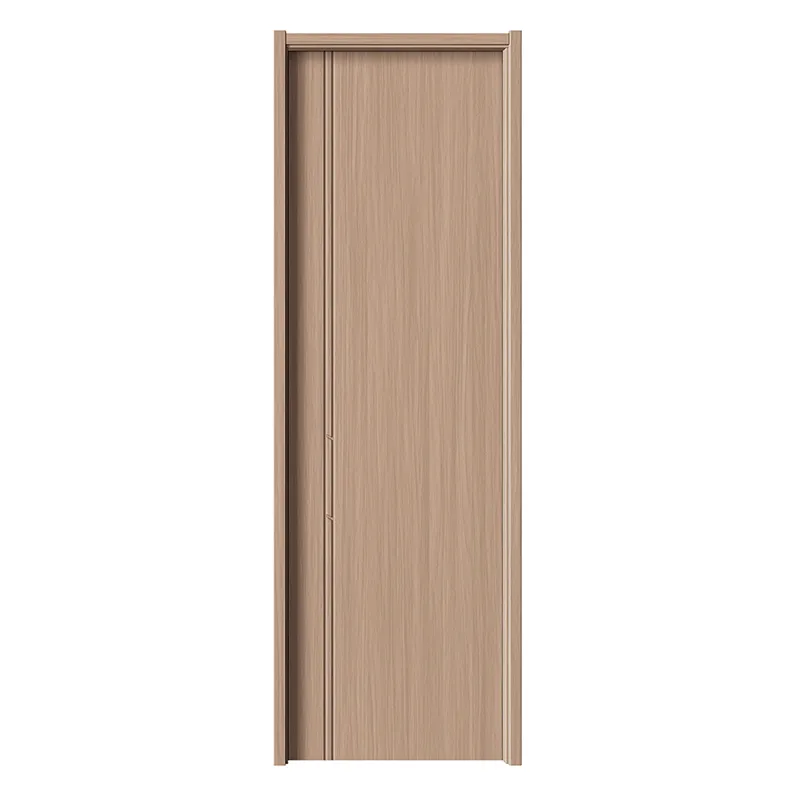 YST-1009 Door Translucent light shade 1
 -
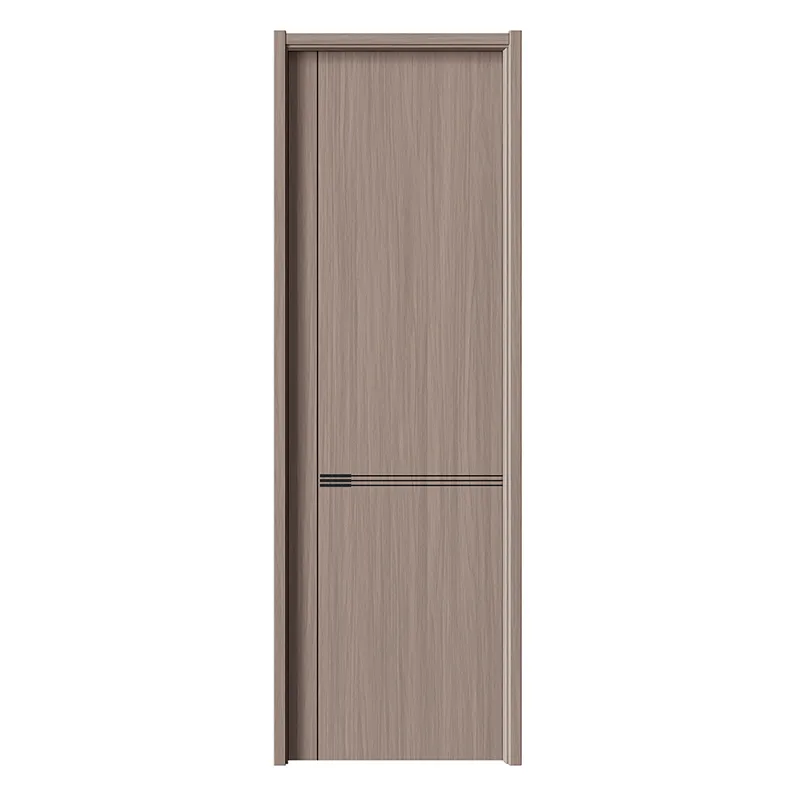 YST-1039 Door Translucent light shadow 3
 -
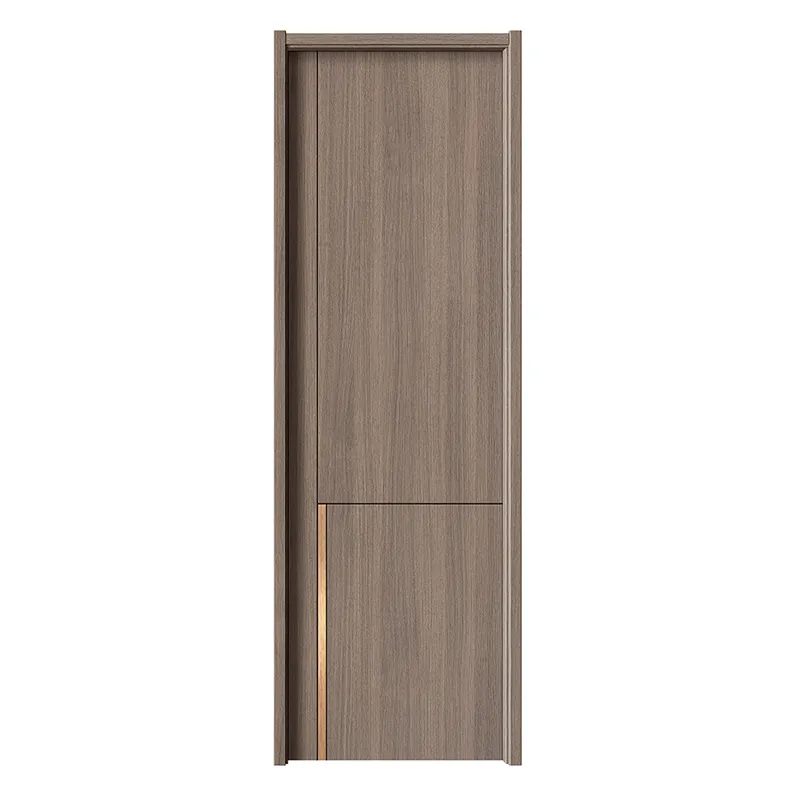 YST-1003 Door Oak gray
 -
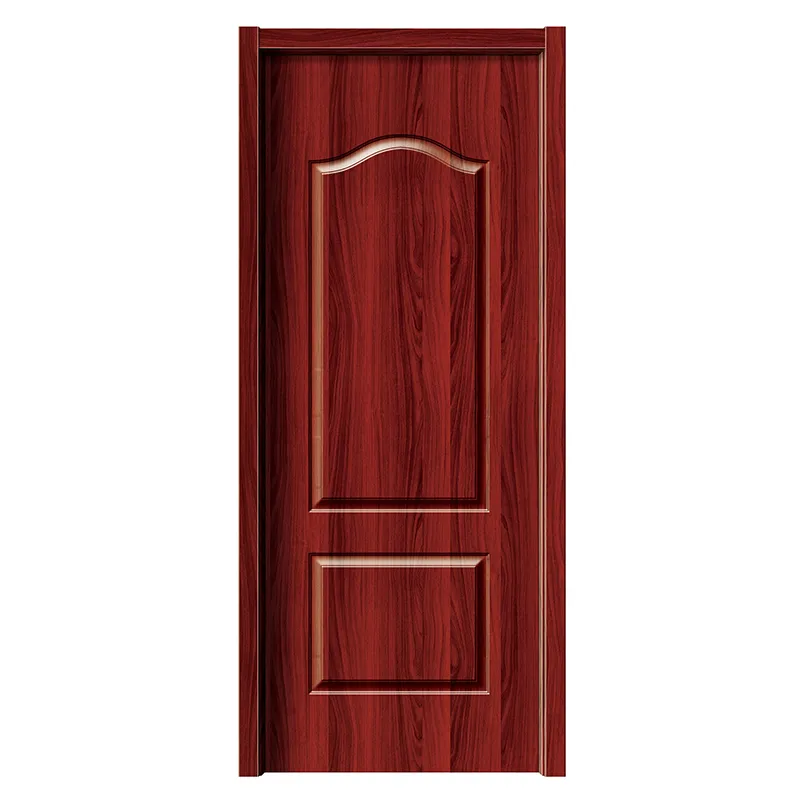 YST-207 Door Red team
 -
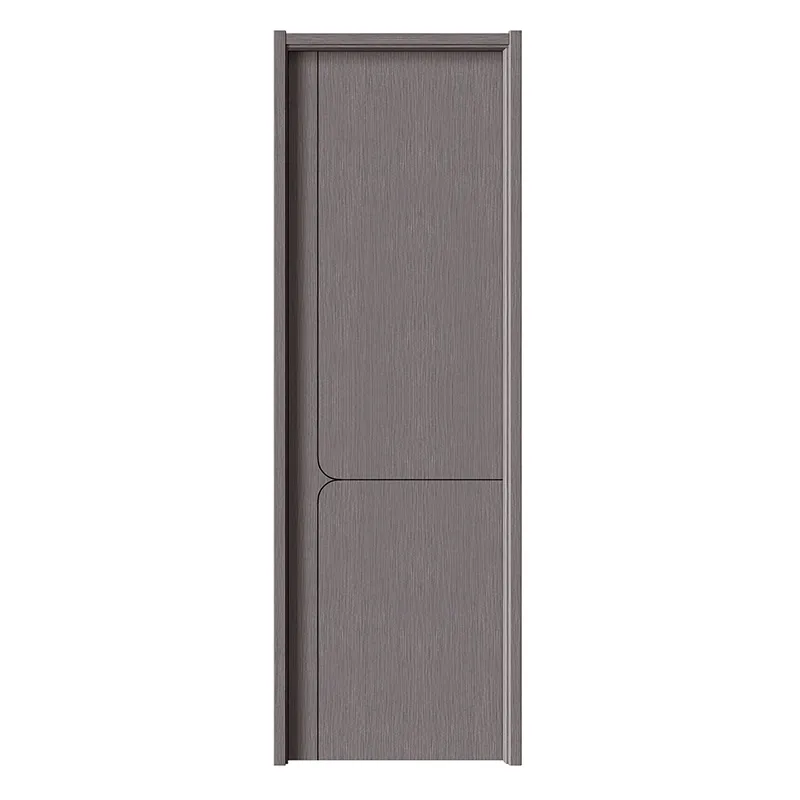 YST-1001 Door Chiaroscuro tree 2
 -
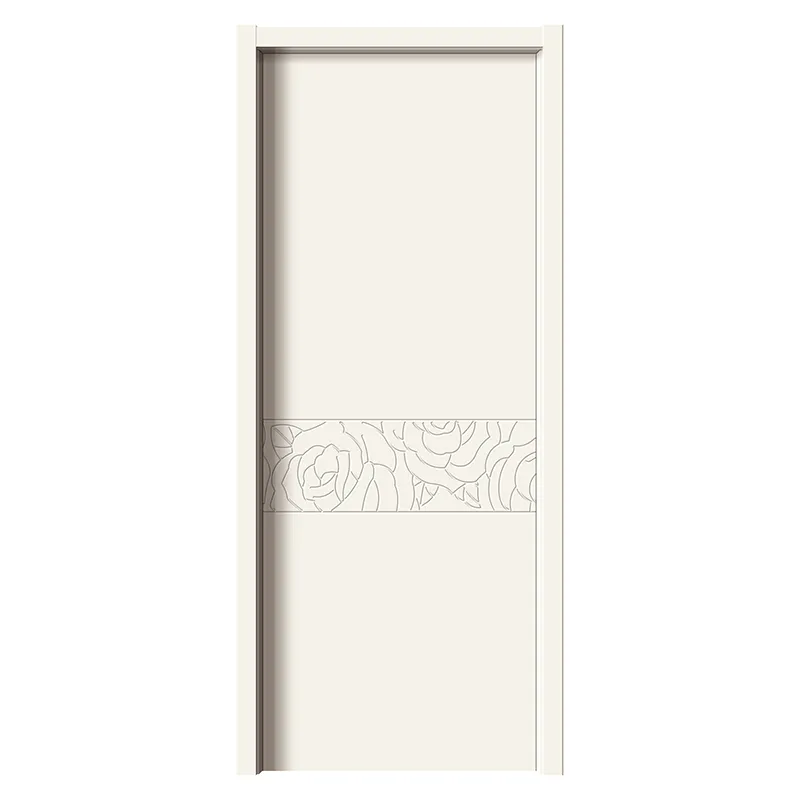 YST-238 Door White ivory
 -
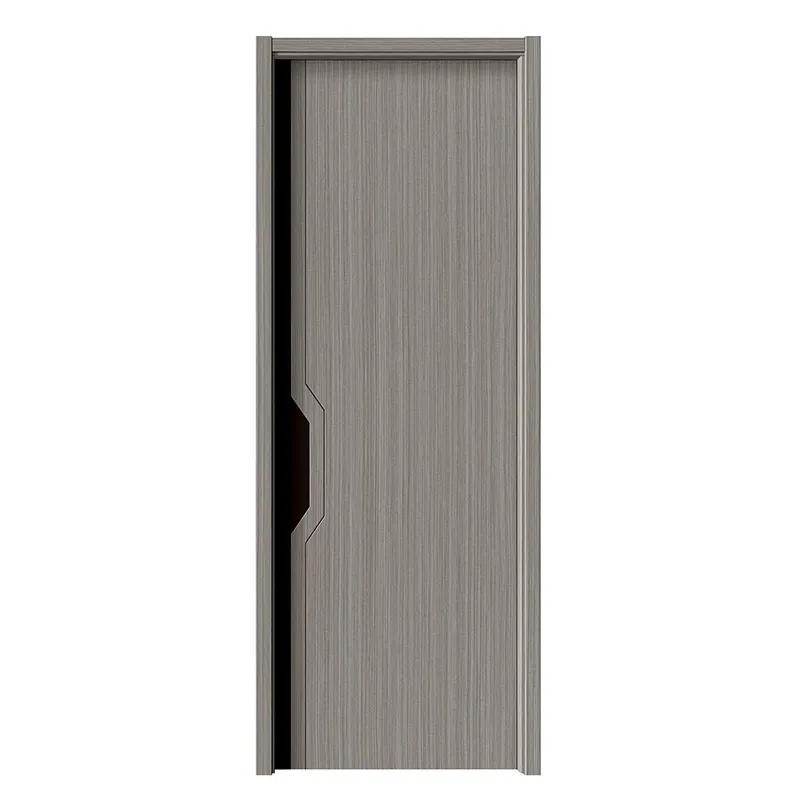 YST-1007 Technotree Door 2
 -
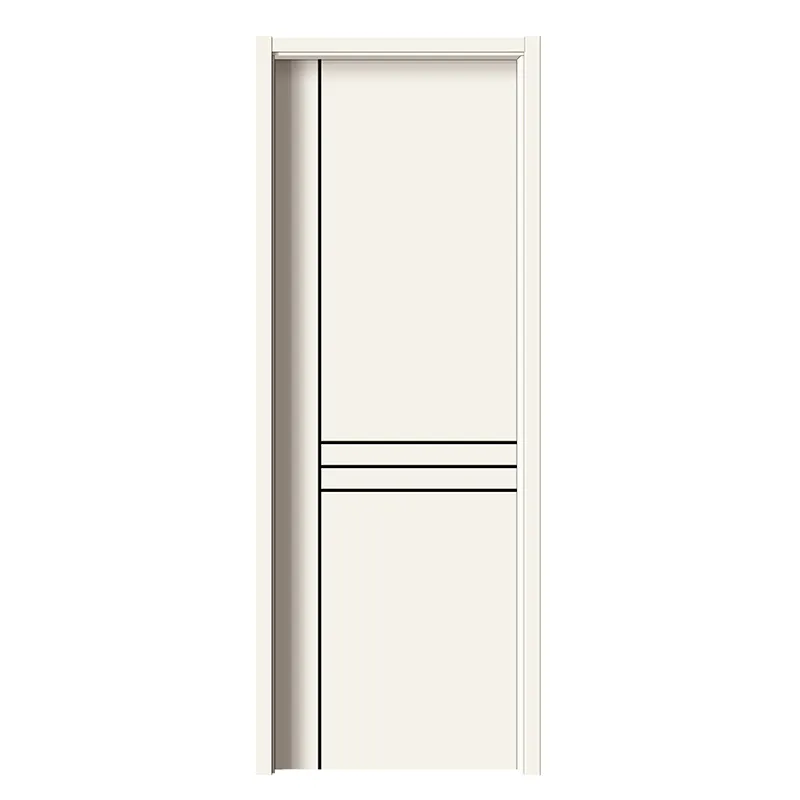 YST-220 Door Warm white
 -
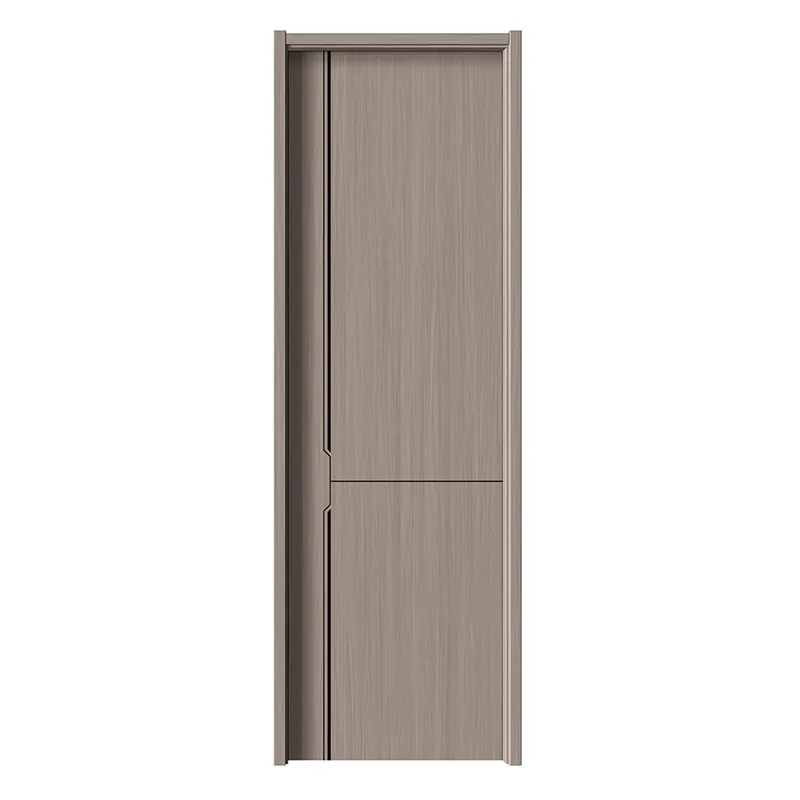 YST-1011 Door Translucent light shadow 3
 -
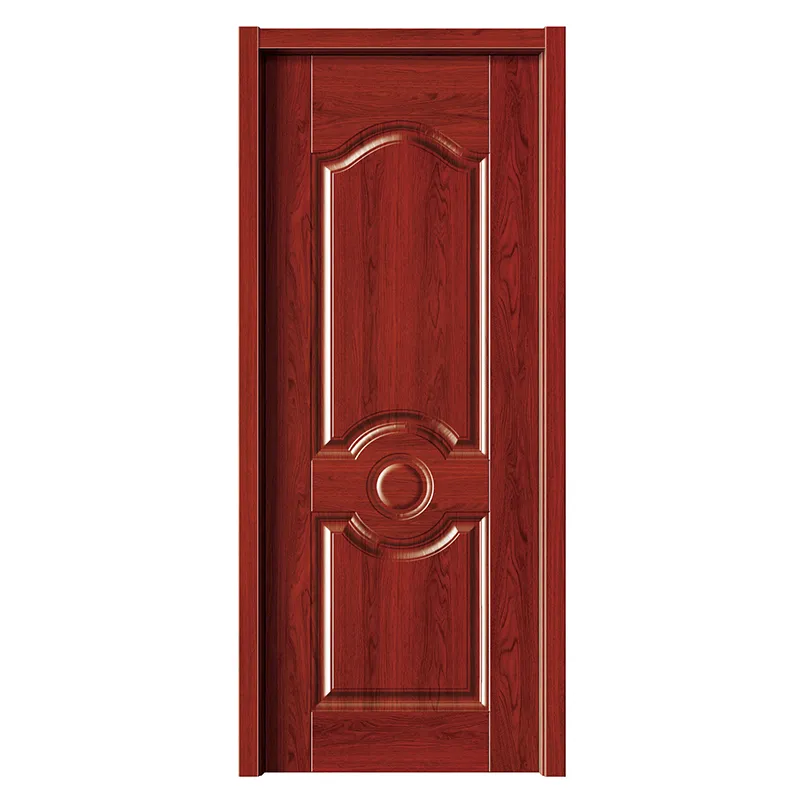 YST-208 Door Red Sandalwood