



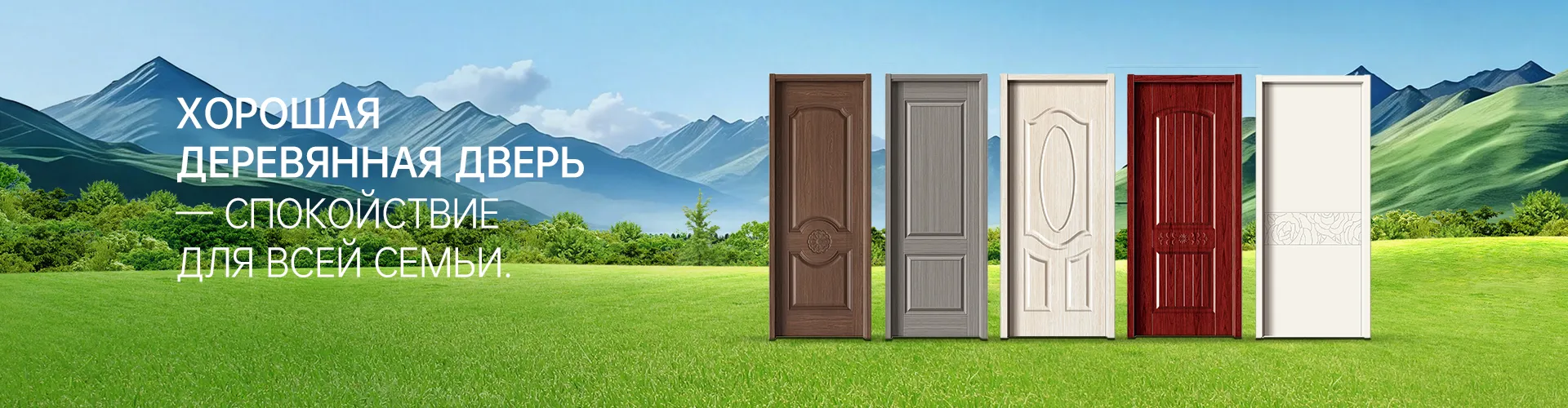
White wooden doors
When they talk about white wooden doors, many people immediately think about Scandinavian style or classics, and that’s all. But in practice, it’s a whole story with pitfalls. The shade of white, the structure of the wood under the coating, the behavior of the material in different climates - this is what really decides whether the door will just be a white panel on the site or stand in the house for decades. A common mistake is to think that the main thing is to choose a color from the RAL catalog. In fact, if the base is not right, even the most durable varnish will eventually show yellowing or, worse, cracks in texture.
There is more than one white one, and not just any tree
Let's start with the basics. Wood with a fine, uniform texture is ideal for painting white. For example, solid pine is an affordable option, but requires impeccable preparation, otherwise knots may appear. Maple or beech are more stable, but the price is different. In our work, we often use multi-layer laminated wood - it is less susceptible to changes in humidity. By the way, about humidity: if a door made of raw materials with a humidity above 8-10% is placed under covering enamel, problems are guaranteed. Blistering along the edges is the most harmless thing that can happen.
And now about the white man himself. Clients often ask for “just white”, but in reality there are cold shades, warm shades, with a milky or grayish undertone. In a sunny room, warm white can give off an unexpected yellowish cast if you don't take the lighting into account. That's why we always show samples in different light - daytime, evening, under 4000K lamps. This saves you from returns. By the way,Anhui Wantai Woodworking Co.,LtdThere are usually several white options in catalogs, and this is not just marketing - each shade is selected for different types of wood and types of interiors.
Painting technology. There are two main ways: covering enamel completely hides the texture, and a perfectly flat surface is obtained, or glazing compounds that leave the structure of the wood visible. The second option is more difficult to implement - you need perfect grinding, otherwise all the flaws will be visible. But it looks expensive. At our production, if we are talking aboutwhite wooden doorswith visible texture, multi-layer application is used with intermediate sanding of each layer. Yes, this increases production time, but the door does not look like plastic.
Practice: where white doors work and where they don’t
From personal experience: white doors go great in modern studio apartments, Scandinavian interiors, and children's rooms. But there are nuances. For example, in the hallway, especially if the house is outside the city and sand and moisture are brought in from the street, micro-scratches are more quickly visible on the white surface. Not critical, but requires more frequent maintenance. The solution is to use doors with matte or semi-matte varnish rather than gloss for such areas. The gloss is more beautiful, but every spot is visible on it.
Another point is the connection with the frame and trim. If the door and frame are from different batches of wood or painted with a slight gap in time, a difference in shade may occur. The eye immediately catches on. Therefore, we always insist on making a set - door leaf, frame, trim - from one batch of material and painting in one chamber. On the websitehttps://www.anhuiwantai.ruin the technical standards section it is emphasized that color control is part of multi-stage quality control, and these are not just words.
We had a project, the customer wanted the most budget option - pine, white covering enamel. Installed in a country house, which is heated periodically in winter. After two seasons, a network of small cracks appeared along the fibers on one of the doors opening onto the unheated veranda. The reason is different degrees of shrinkage and expansion of wood in different parts of the structure. Conclusion: for rooms with changes in temperature or humidity, a more stable base is needed, the same laminated wood, even if it is more expensive. Sometimes you have to explain to clients that saving on material forwhite wooden doorsmay come out sideways.
Production subtleties and control
In a quality-oriented production facility, the process begins long before the paint booth. Selection of lamellas, their drying, splicing - all this affects the final result. For example, if in a glued solid wood there are lamellas with different fiber directions, during painting they may absorb the soil differently, and the surface will turn out to be uneven in gloss. We monitor this at the stage of ground grinding - at a certain lighting angle, such defects are visible.
The painting itself. Optimally, use spray guns with high pressure and good air filtration. Dust is the main enemy of a glossy white surface. In a workshop where white doors are painted, the requirements for cleanliness are always higher. After applying each layer, drying in a chamber with a certain temperature and humidity conditions. This process cannot be rushed, otherwise the adhesion of the layers will be weaker. In the company descriptionAnhui Wantai Woodworking Co.,Ltdthe principle is mentioned: “build a business on precision, win with quality?” — in painting, this is exactly the case where the accuracy of drying modes is critical.
Final control. The finished door is inspected not only under the overhead light, but also under the side light, under carrying lamps. They look for smudges, shagreen, and specks of dust. Sometimes, if the defect is local, it can be corrected by local grinding and polishing. But if the problem is at the core, the door is sent for rework. Yes, this increases the cost, but preserves the reputation. For the international market to which the company supplies products, this is especially important - fixing a defect in another country is much more difficult and expensive.
Installation and further life of the door
The best quality door can be damaged by careless installation. This is especially true for white doors - any chips along the edges or damage during installation will be noticeable. Therefore, we always recommend that installation be carried out by experienced craftsmen who are familiar with wooden products. Not those who usually install MDF panels, but those who understand how the array behaves, how to correctly set the gaps, taking into account possible seasonal changes.
Care. Many people think that maintaining a white door is difficult. In fact, if the coating is of high quality (for example, two-component polyurethane varnish), it is enough to wipe it with a soft cloth and a neutral detergent. The main thing is to avoid abrasives and solvents. But the areas around the handles are a risk zone. Over time, dirt can accumulate there. The advice is to wipe these areas a little more thoroughly every six months.
And the last thing is maintainability. Accidentally scratched? If the damage is shallow, it can often be eliminated by local polishing or even touched up with a special corrector pencil, which some manufacturers, includingAnhui Wantai Woodworking Co.,Ltd, offered as a set or separately. For deep damage, it is better to call a specialist. But the very fact that the door can be restored, and not just replaced, is a big plus of wood over veneered MDF.
Instead of a conclusion: white does not mean simple
So next time you choosewhite wooden doors, look not only at the picture in the catalog or at the price tag. Ask about the type of wood, about the painting technology, about the warranty on the coating. Find out how the door will behave in your specific conditions - in a sunny living room or in a damp hallway. A good supplier who, as a company with a production base in Anhui, works on the international market, will be able to give detailed advice and provide samples.
And yes, a white door is a truly versatile and stylish element. But its beauty and durability are the result of many precise operations: from drying the wood to finishing control. When all these steps are followed, you get not just a product, but a thing that will delight you for years without losing its appearance. And this, ultimately, is what we all turn to wood for - naturalness, warmth and real durability, which no imitation can replace.
Correspondingproducts
Related Products
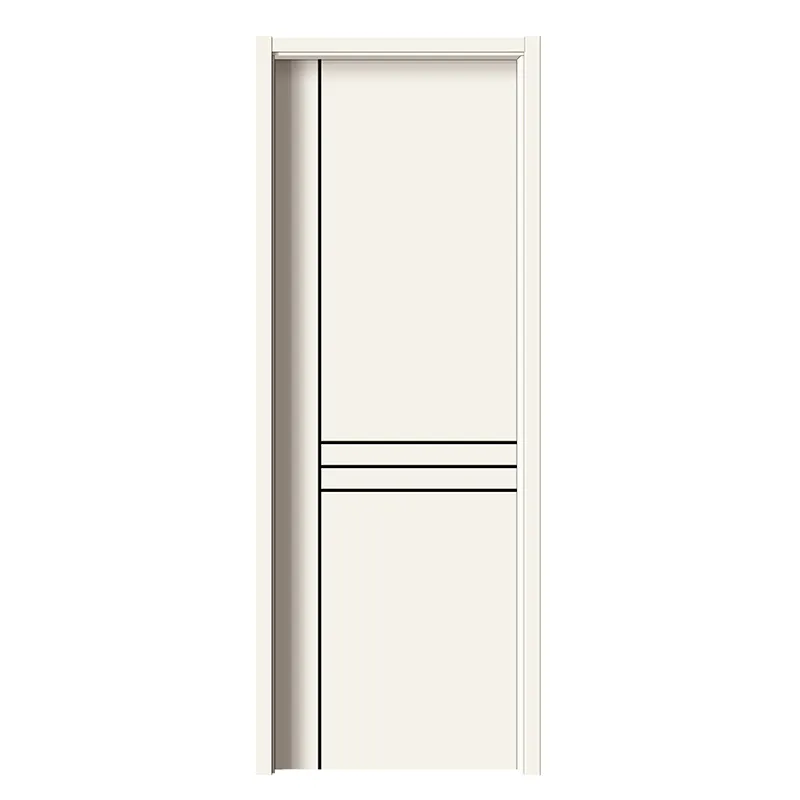
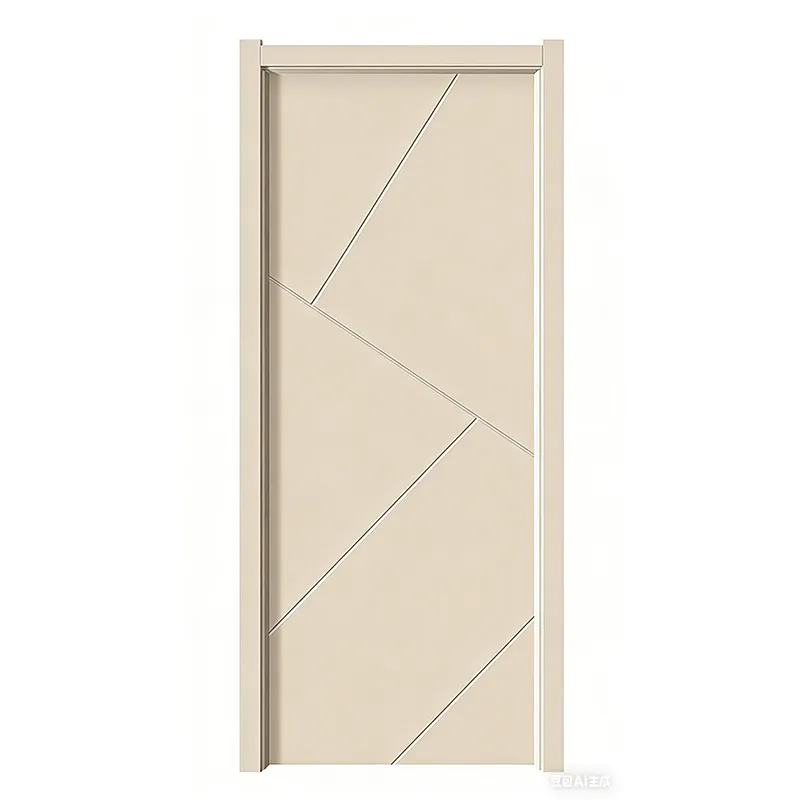
Best Sellingproducts
Best Selling Products-
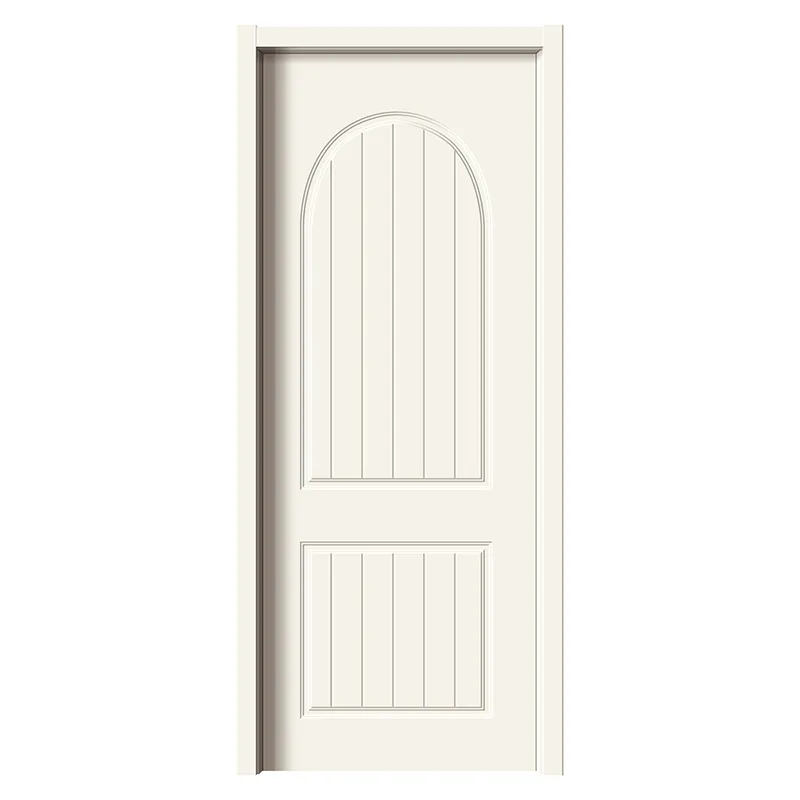
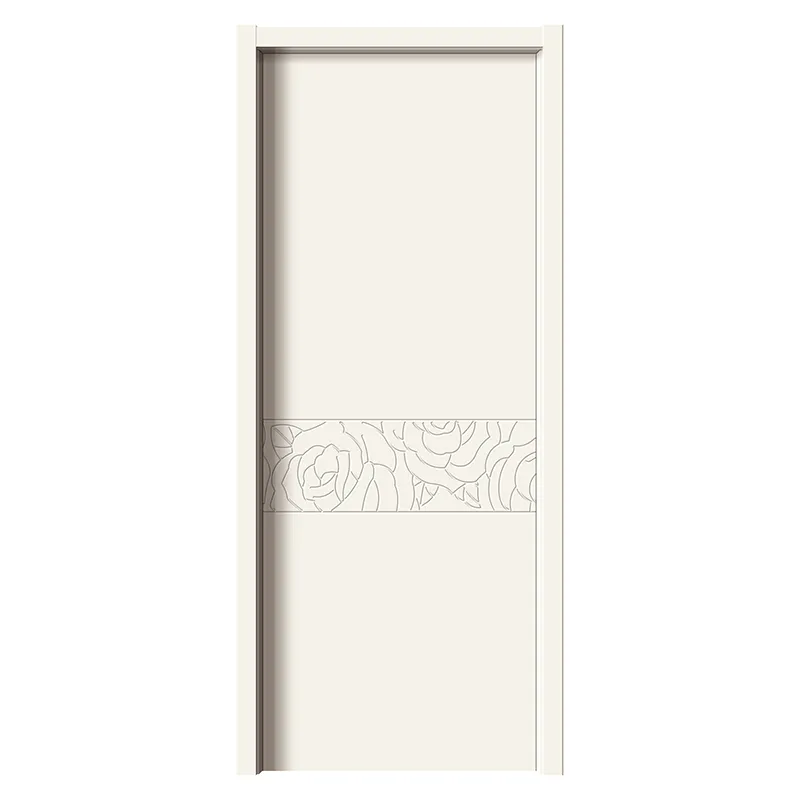 YST-238 Door White ivory
 -
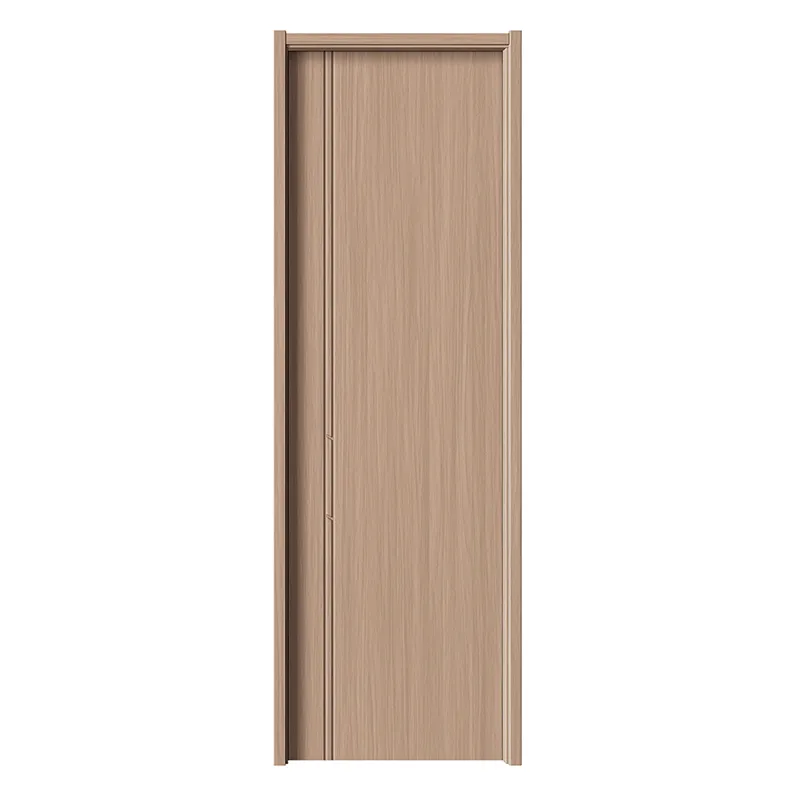 YST-1009 Door Translucent light shade 1
 -
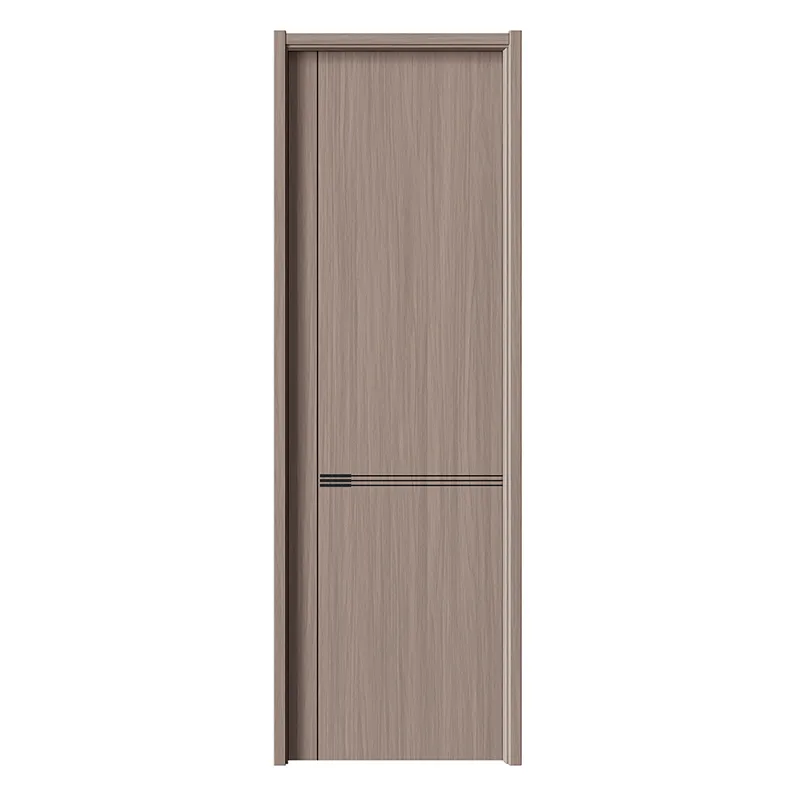 YST-1039 Door Translucent light shadow 3
 -
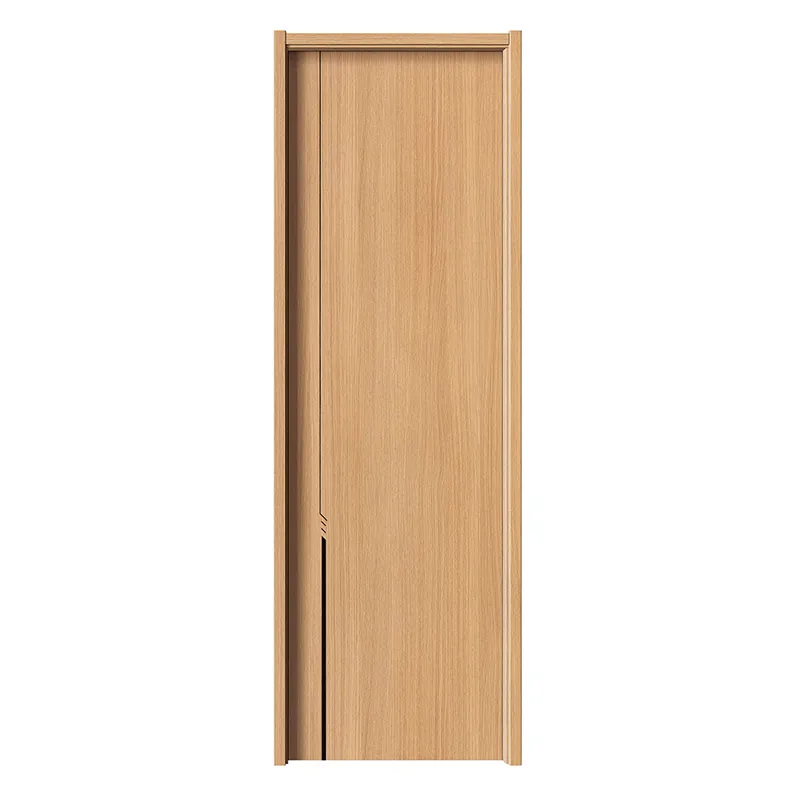 YST-1041 Door Oak Shutter
 -
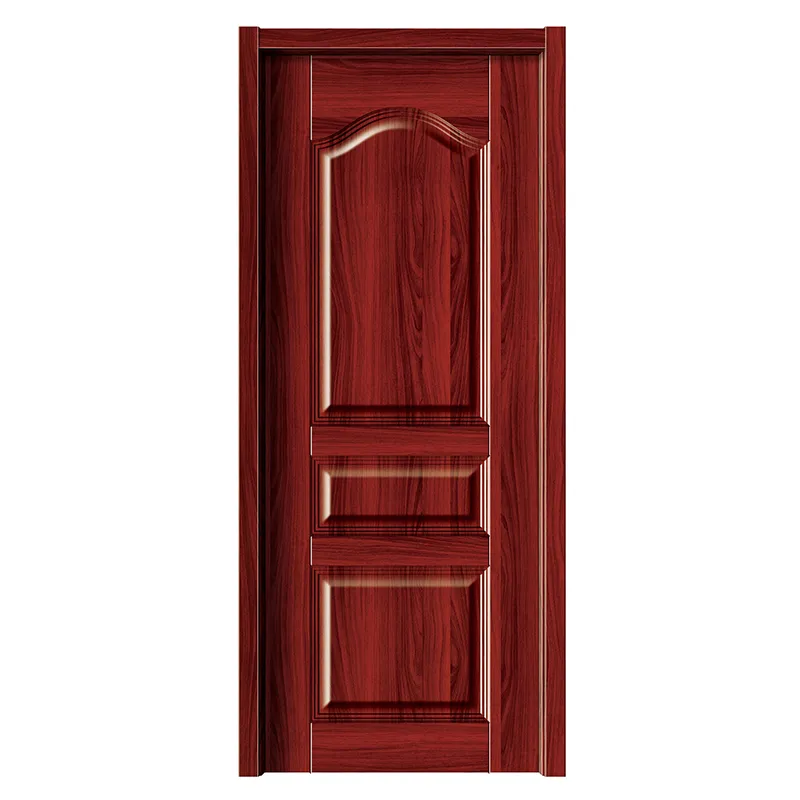 YST-203 Door Red team
 -
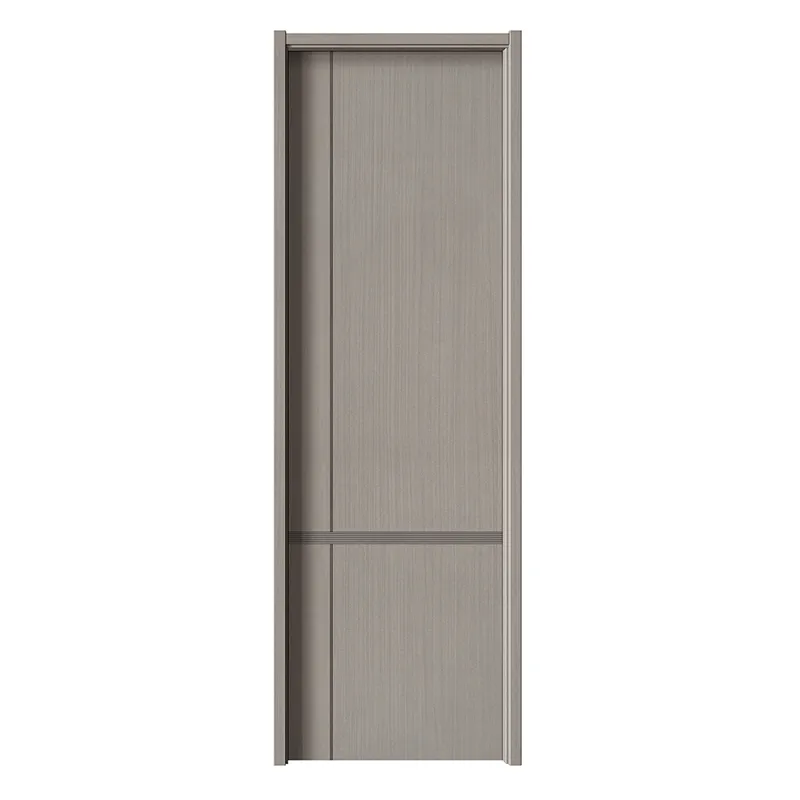 YST-1013 Door Cloud Walnut 1
 -
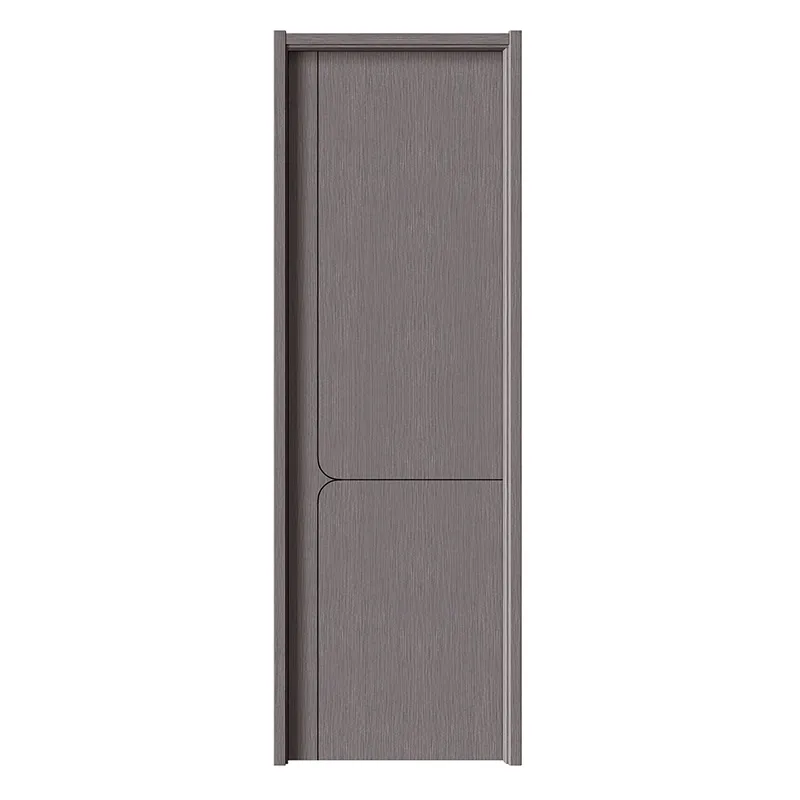 YST-1001 Door Chiaroscuro tree 2
 -
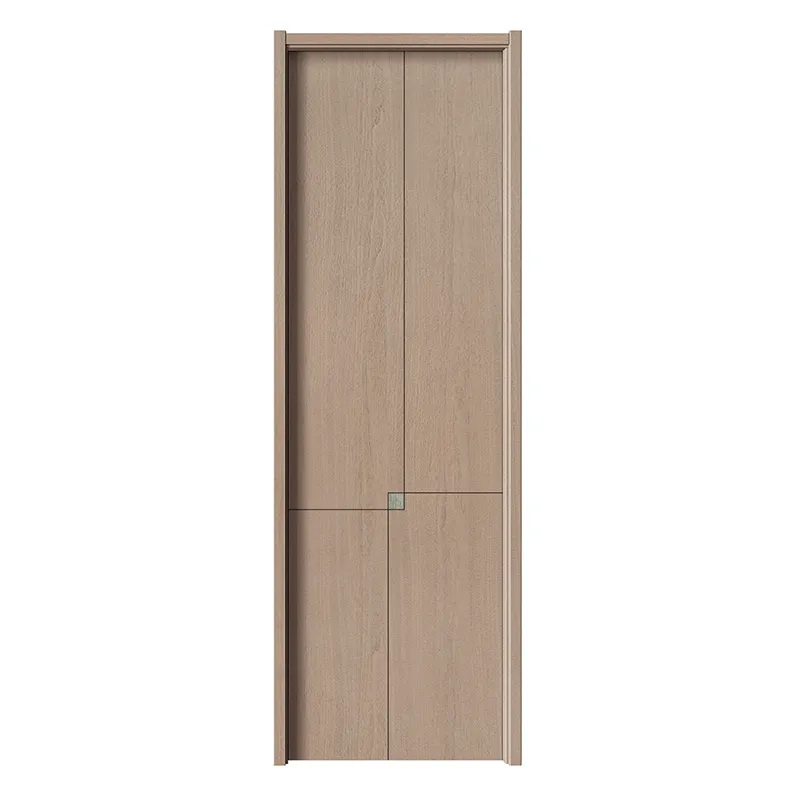 YST-1008 Door Natural walnut 2
 -
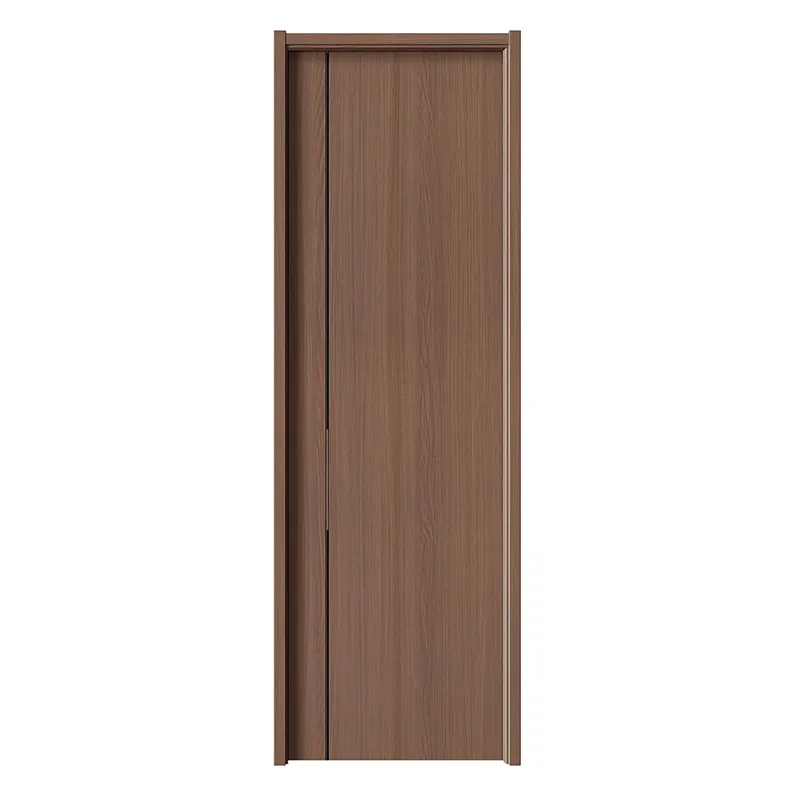 YST-1043 Door Techno-walnut 3
 -
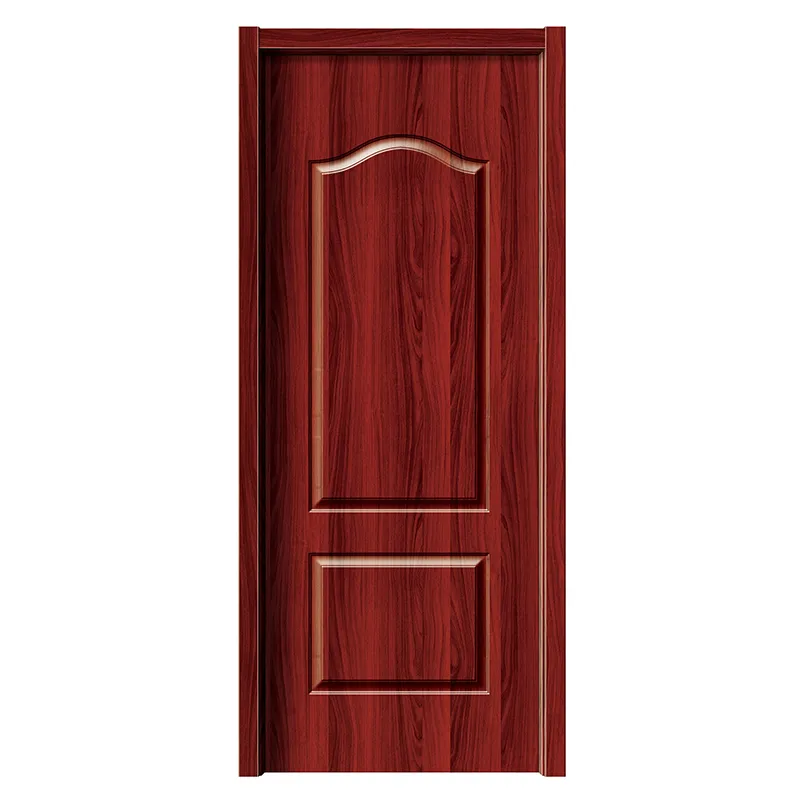 YST-207 Door Red team
 -
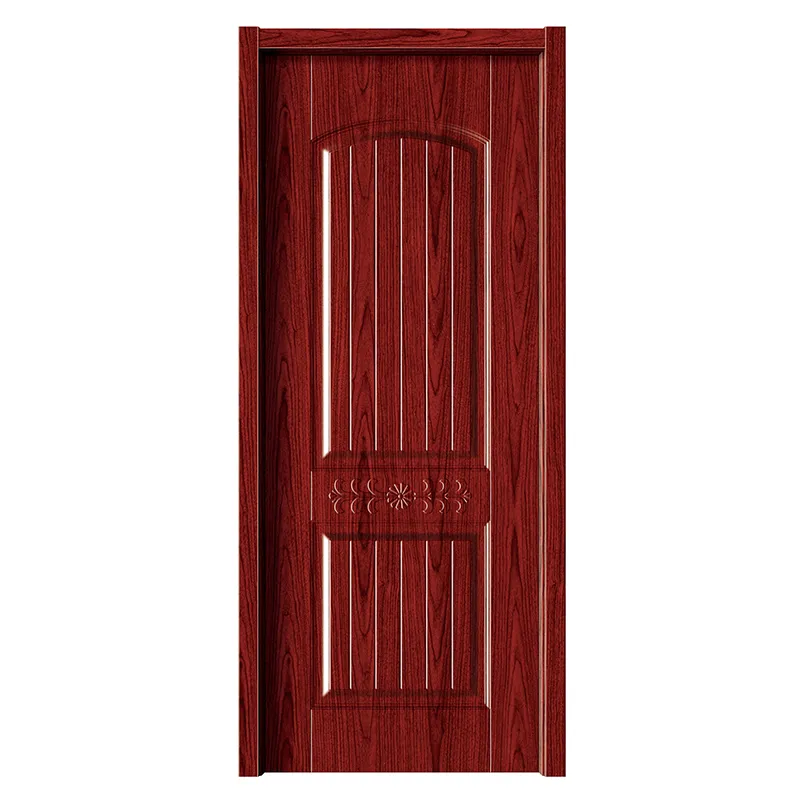 YST-233 Door Mahogany
 -
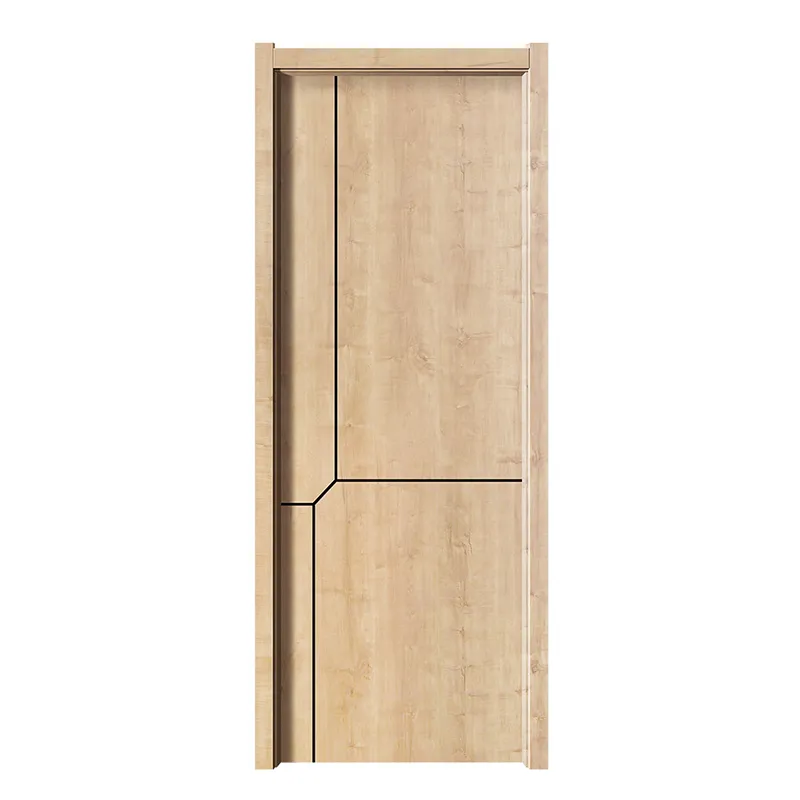 YST-WPC1 Door