



Technological innovation drives higher quality: wood-panelled doors redefine the standards of the interior door industry
2026-04-07
From raw material ratio to manufacturing process, wood-plastic paneling doors have achieved breakthroughs in performance through innovation throughout the entire industrial chain, setting new industry benchmarks in waterproofing, fireproofing and customization, promoting the transition of the interior door industry to high performance and environmental friendliness.
Interior doors, as a key category of construction and finishing materials, directly affect the comfort of living and the service life of buildings. In recent years, wood-plastic paneling doors, through comprehensive technological innovation, have achieved comprehensive breakthroughs in raw material development, production technology and product performance. They have completely overcome the performance limitations of traditional wood and plastic doors, redefining the quality standards of the interior door industry.
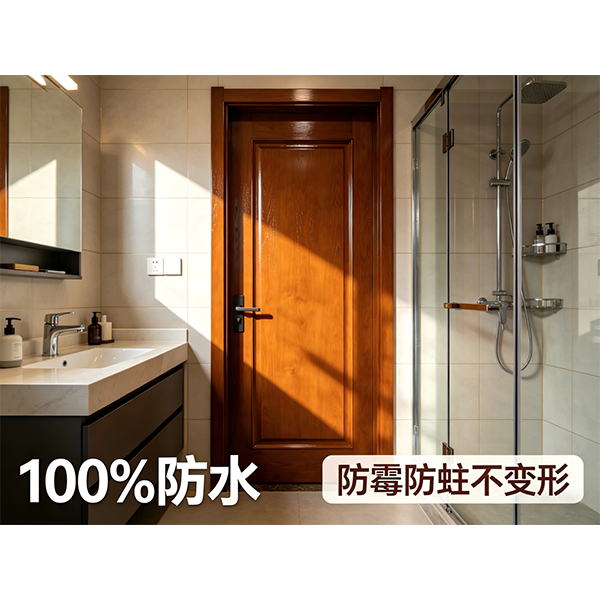
At the stage of development of raw materials, wood-plastic skinned doors formed a scientific system of component dosage: reclaimed PVC class A - 50%, calcium carbonate - 40%, wood fibers - 5%, as well as additives of 5% chemicals that provide ultraviolet resistance and antioxidant protection. The moisture content of the product is only 0.3%. This ratio of components gives the product both the natural texture of wood and the stable performance characteristics of PVC, while realizing circularity of resources and meeting the concepts of low-carbon development. Compared to traditional wood doors, this formula fundamentally eliminates the problems of moisture, mildew and insect damage, allowing the product to adapt to a variety of challenging operating conditions, including humid, high-temperature and low-temperature environments.
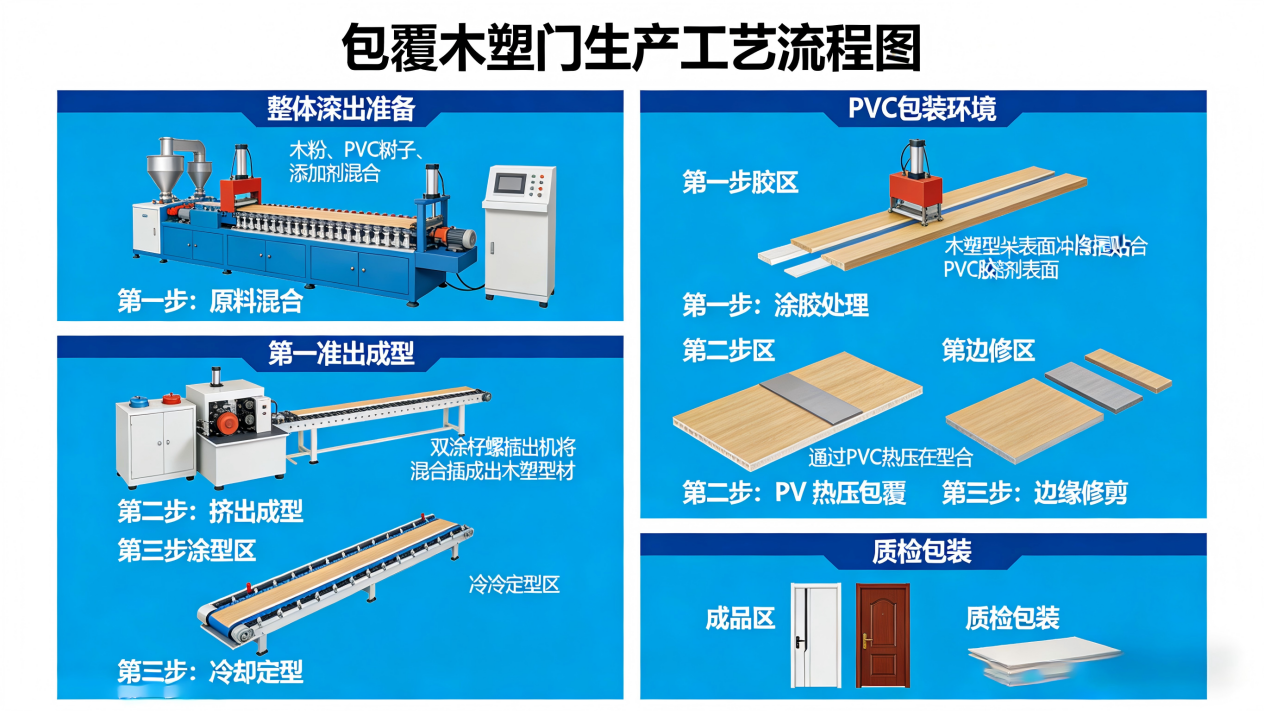
Innovation in production technologies is the core of the competitive advantages of wood-plastic paneled doors. The door leaf is produced using monolithic extrusion technology, which differs from the traditional technology of assembling wooden doors. The product has a uniform density and high load-bearing capacity that is not subject to deformation during long-term use. The surface skin technology uses industry-leading PUR hot glue technology: the PVC film is tightly applied to the door leaf in the active state of the adhesive, after molding in the pressure system and natural curing, the film layer and the base coating form a seamless connection without wrinkling or blistering, which significantly improves the surface's resistance to abrasion and stains. In addition, the products have a B1 fire protection class, achieving an important breakthrough in the field of fire safety and meeting the requirements for safe operation in public buildings.
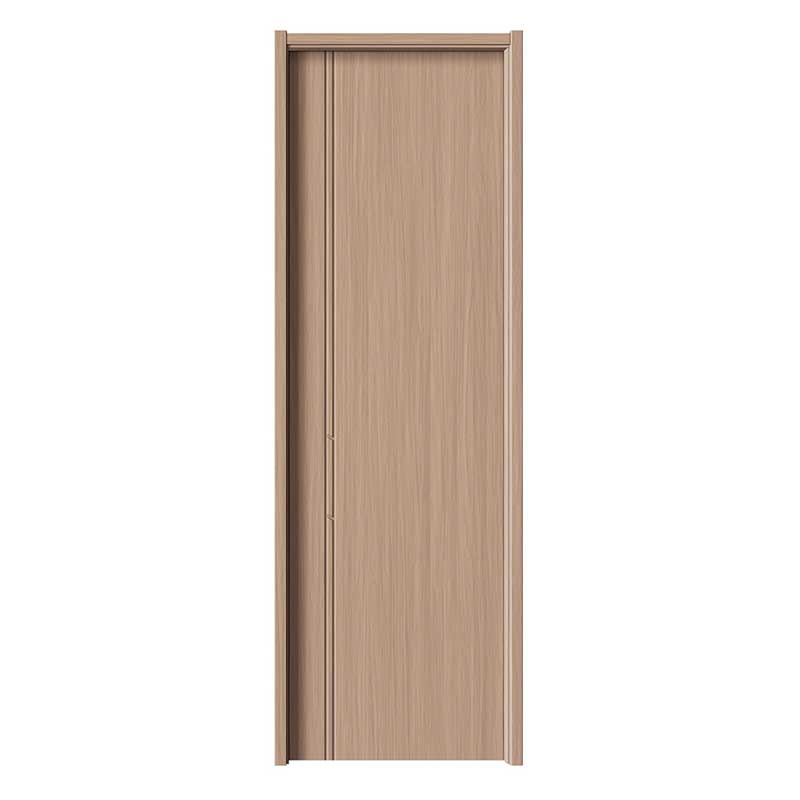
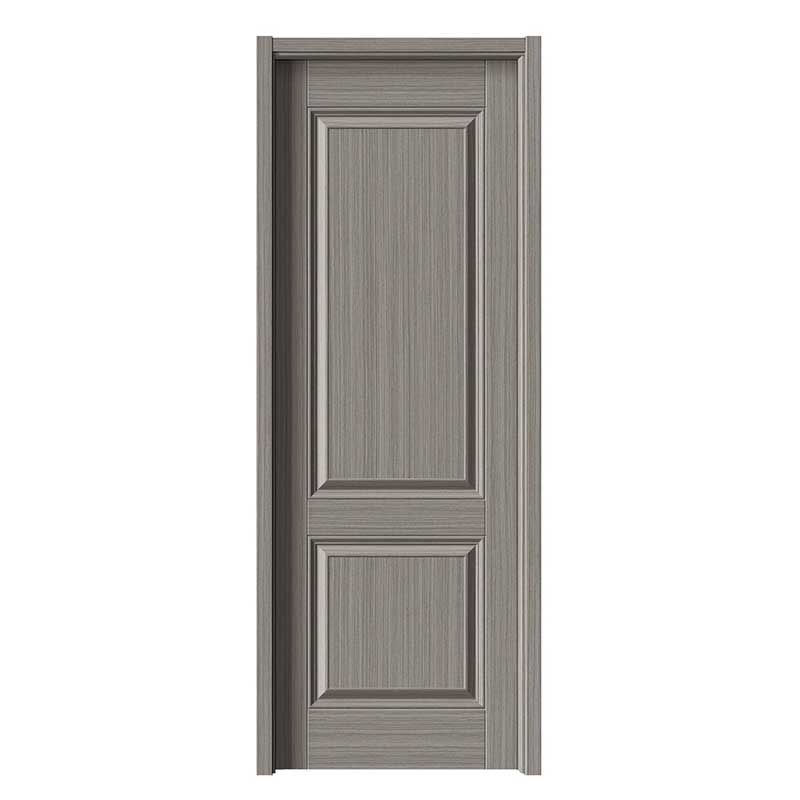
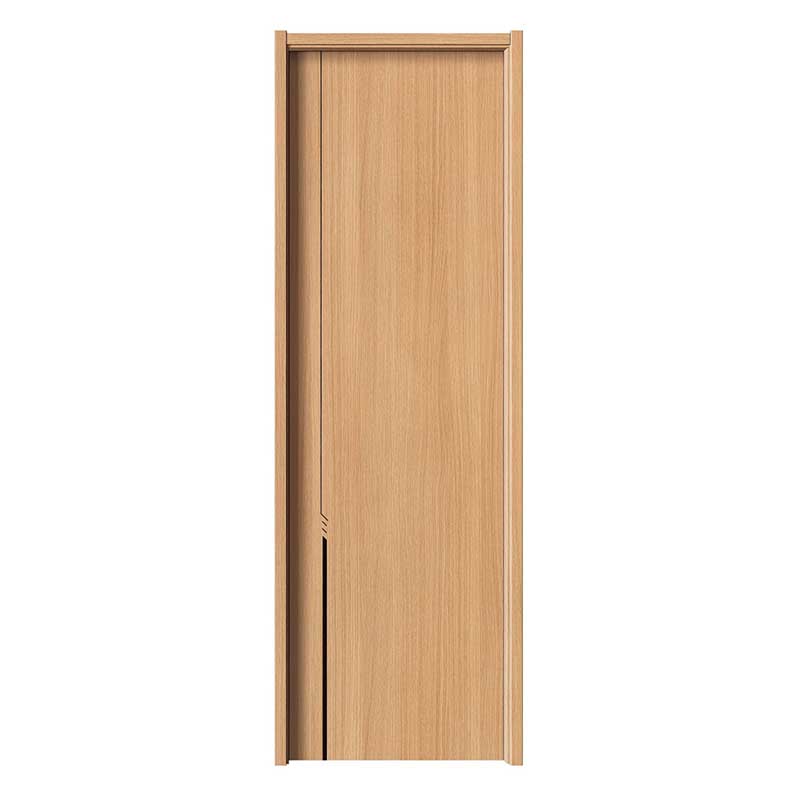
Improvements in customization technology are making wood-panel doors more responsive to market needs. The products allow you to individually select the shape, size and color of the door leaf in accordance with the requirements of the projects, offering various models: flat doors, doors with raised lines, vacuum-pressed doors, glass doors, prefabricated doors, etc. Customization is supported based on color card and film provided by the client. This allows us to meet the requirements of various architectural styles - minimalism, New Chinese style, European style, as well as the standardized needs of large construction projects and the individual needs of the home renovation market.
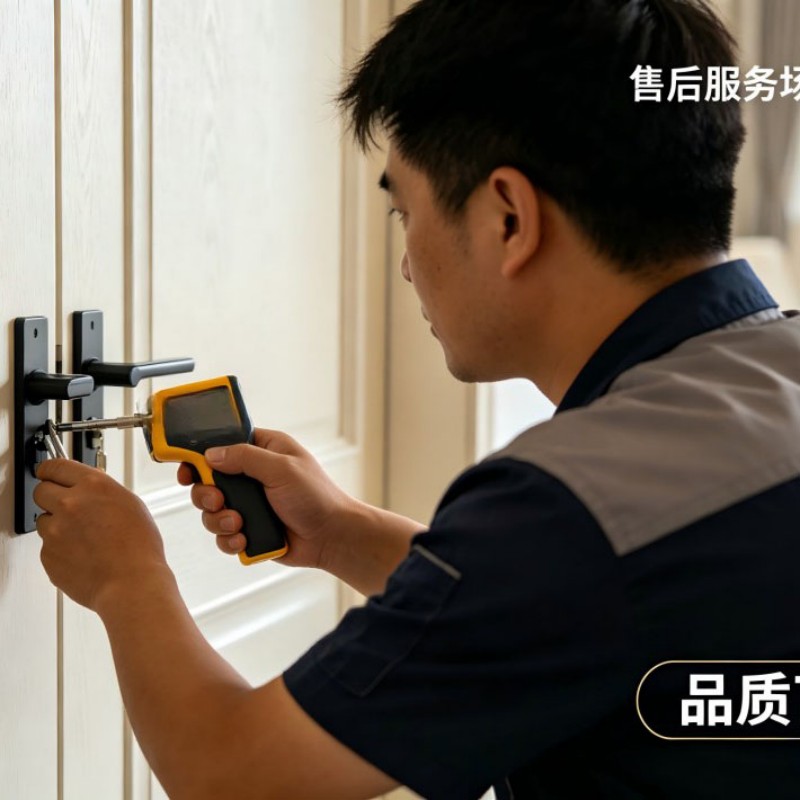
Technological innovation leads to an all-round improvement in product quality. Sheathed wood-plastic doors not only have excellent technological characteristics - they can be sawed, chopped and nailed, but local damage can also be restored, and the cost of maintenance is significantly lower than that of traditional wooden doors. Industry experts believe that the path of technological innovation in wood-panel doors points the direction of the interior door industry, driving the industry's transition from competing solely on appearance to competing on holistic metrics: performance, environmental friendliness and customization.
Latest news