



A new building material for high humidity areas: wood-plastic composite doors solve the problems encountered when using doors in bathrooms.
2026-04-13
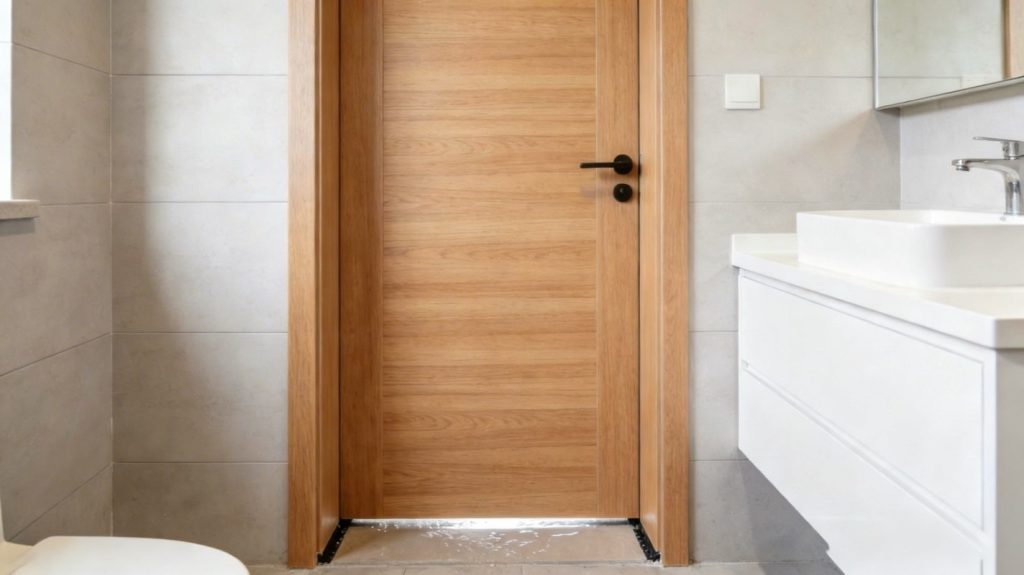
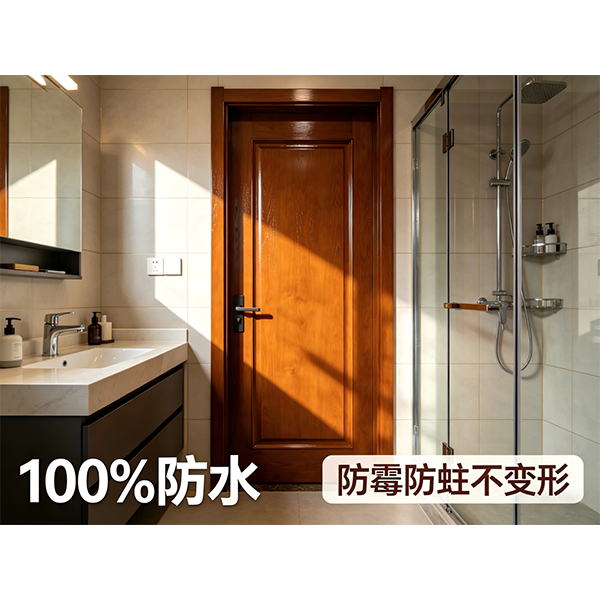
Bathrooms and toilets, due to high humidity, are traditionally problem areas for wooden doors. Wood plastic composite (WPC) doors, with the key benefits of being 100% waterproof, mildew-resistant and warp-resistant, have become the preferred choice for bathroom doors, solving a long-standing problem for consumers.
Bathrooms and closets are the highest humidity areas in homes and public buildings, making door selection a constant challenge when renovating a home: traditional solid wood doors are susceptible to dampness, mold, warping and cracking; Aluminum alloy doors do not have a natural feel and have poor sound insulation; and uPVC doors suffer from limited design options and are susceptible to aging. The advent of 100% waterproof WPC doors ideally solves these problems of bathroom doors, becoming the new choice for doors in high humidity environments.
The water resistance of WPC doors is due to the unique properties of the material and the manufacturing process. Recycled PVC and calcium carbonate are used as the main raw materials, and wood fiber accounts for only 5%. Thanks to special technology, the materials themselves do not absorb water and moisture, the moisture content is controlled at a level below 0.3%. Even in high humidity conditions of the bathroom, they do not become damp, swell or become moldy. Compared with traditional wooden doors, doors made of wood-plastic composite do not require additional waterproofing treatment; To keep them dry, simply wiping is enough, which makes maintenance convenient.
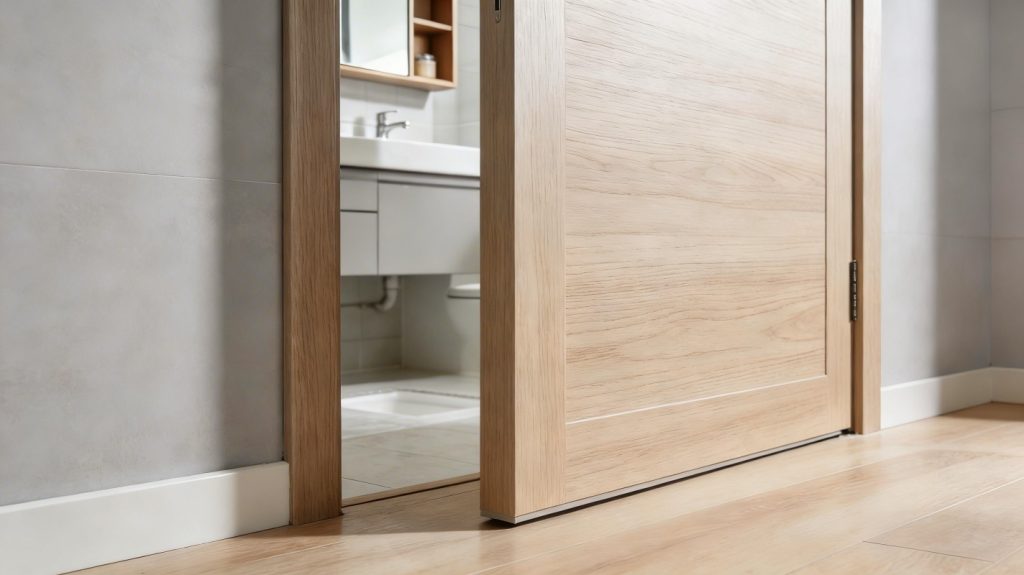
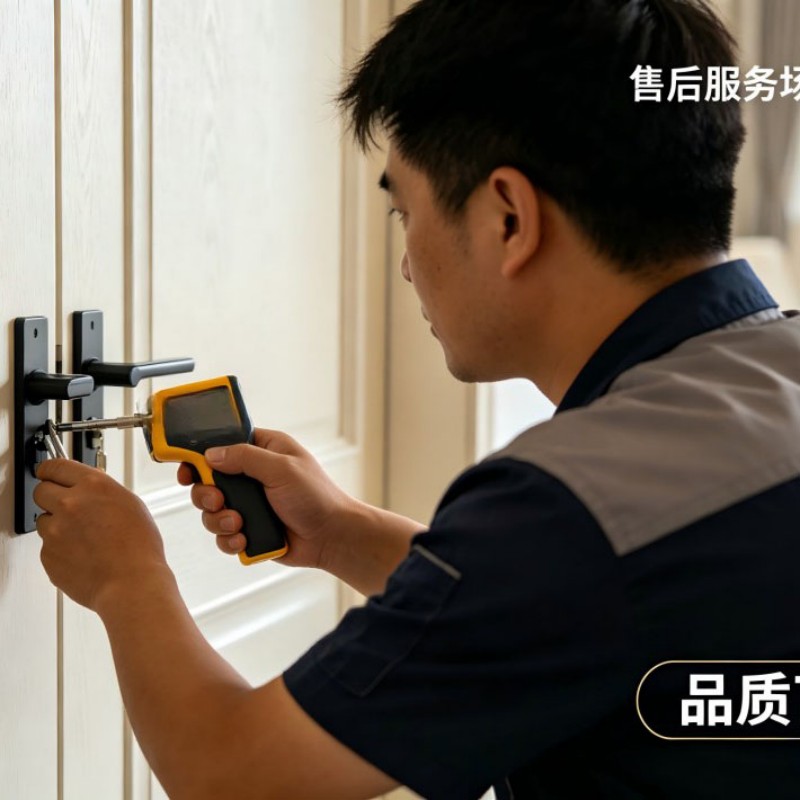
In addition to excellent waterproof properties, wood-plastic composite doors meet other requirements for bathroom doors. Their solid extruded design provides high density, better sound insulation than aluminum alloy and PVC doors, effectively blocking bathroom noise. The PVC coating is scratch and acid/alkali resistant, preventing corrosion from cleaning agents and limescale in the bathroom, maintaining a smooth and new appearance even after long-term use. The product is lighter than solid wood doors, and with pre-drilled holes in the door frames, installation is easy and the doors open and close smoothly, preventing problems such as loose hinges or sagging.
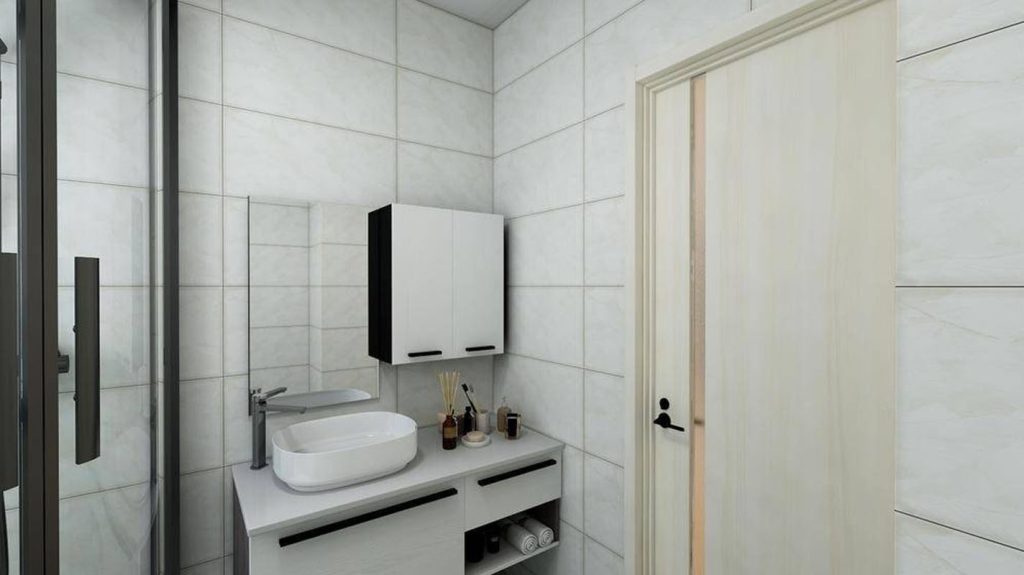
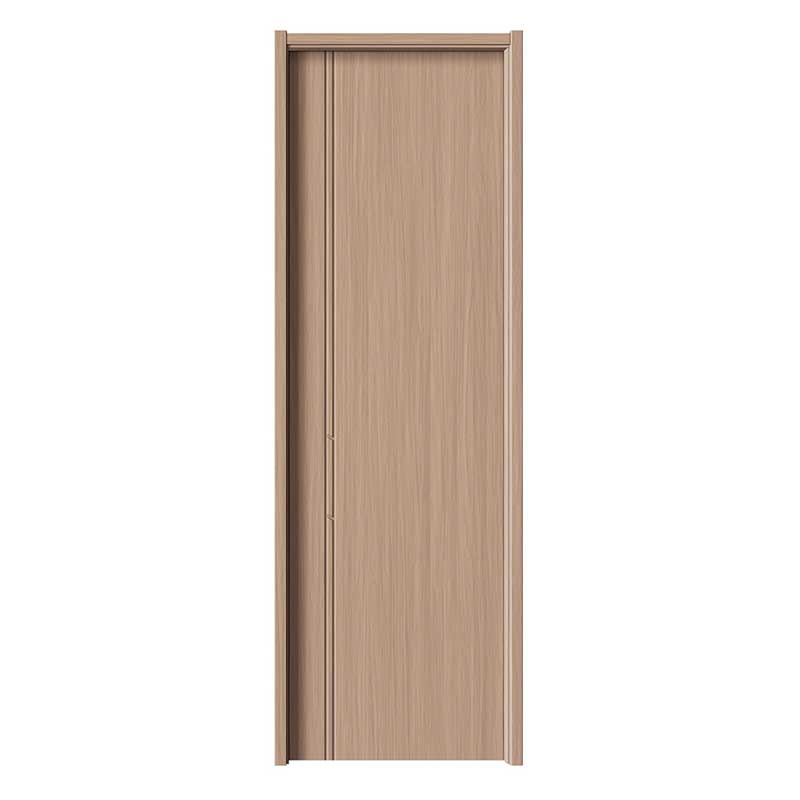
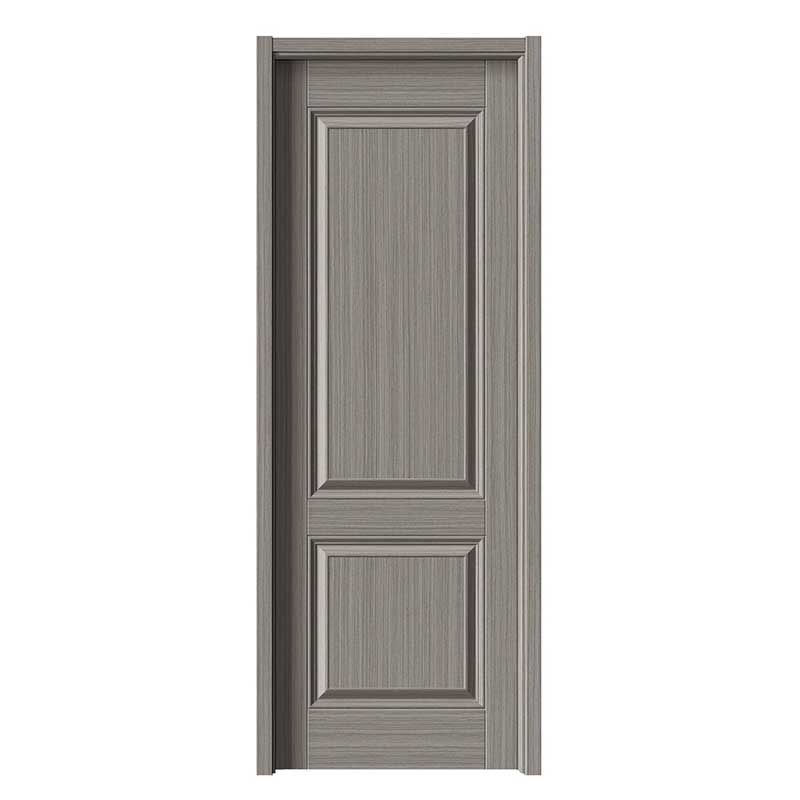
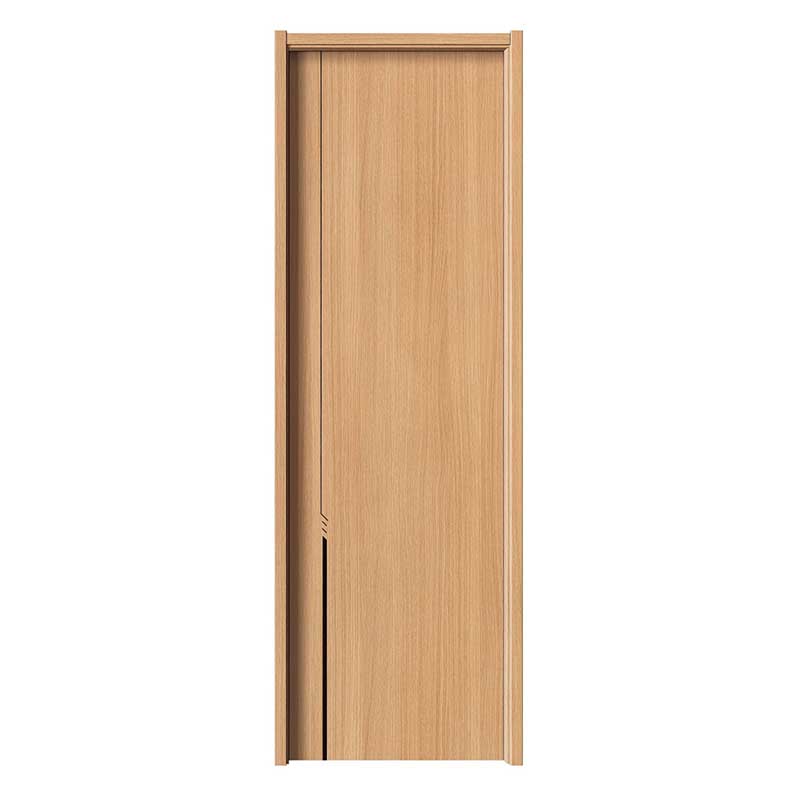
From a design perspective, wood plastic composite (WPC) doors do away with the limitations of traditional waterproof doors with their monotonous style. Exclusive options such as glass and flat doors are available for bathrooms. Glass doors combine tempered glass with a WPC frame to provide water resistance while creating a spacious feel. Available in a variety of color options including customizable light grey, cream and natural wood tones to perfectly match your bathroom decor.
Nowadays, WPC doors have become a popular choice for bathrooms in residential buildings, hotels and apartments, especially widely used in coastal areas and during the rainy season in the southern regions. Consumers report that using WPC bathroom doors has completely eliminated the mold and warping problems associated with traditional wood doors, and the product's practicality and aesthetics have exceeded their expectations.