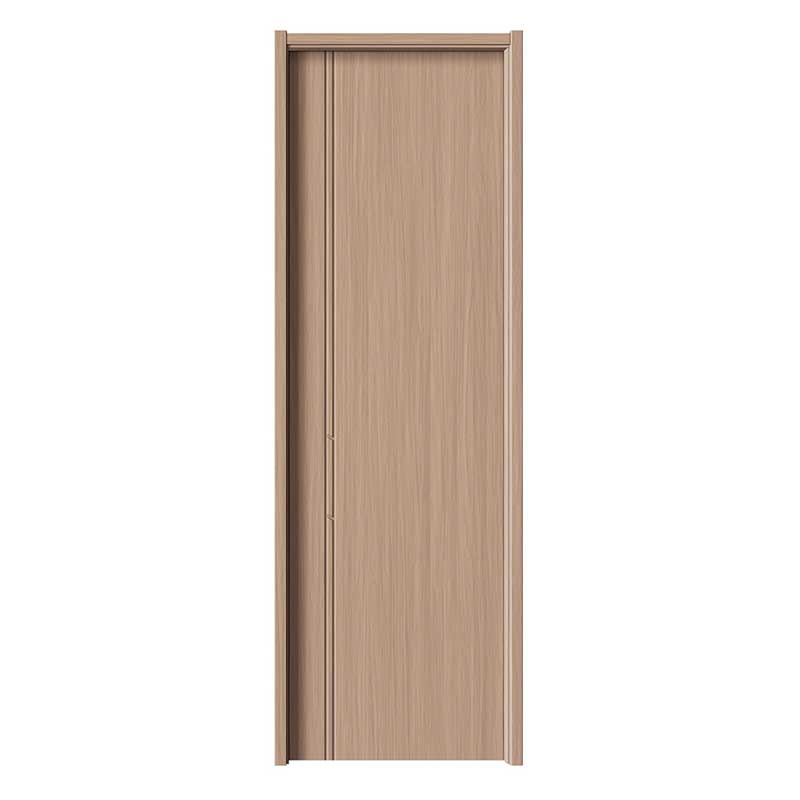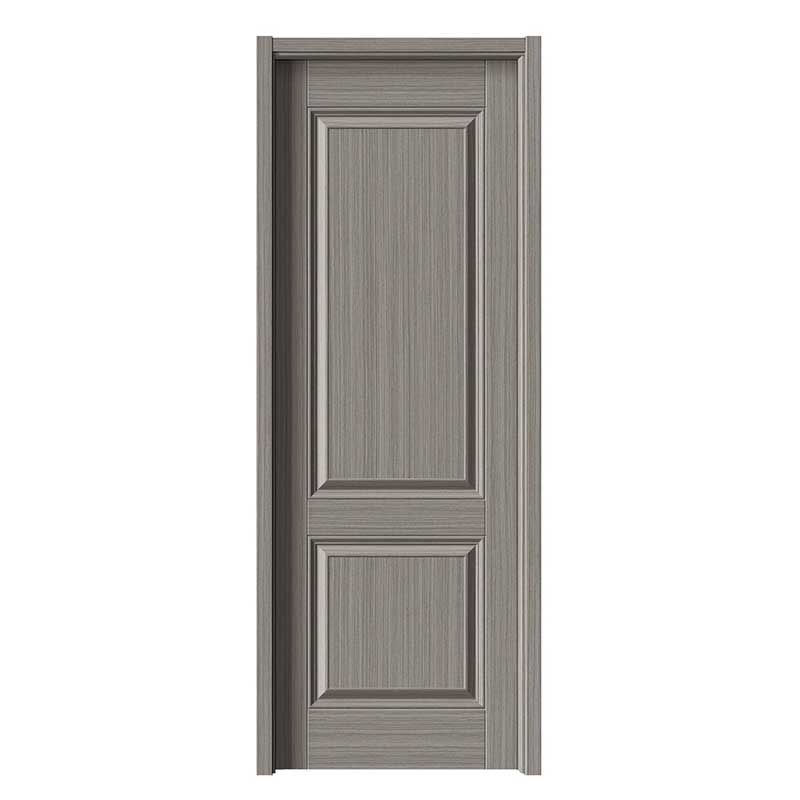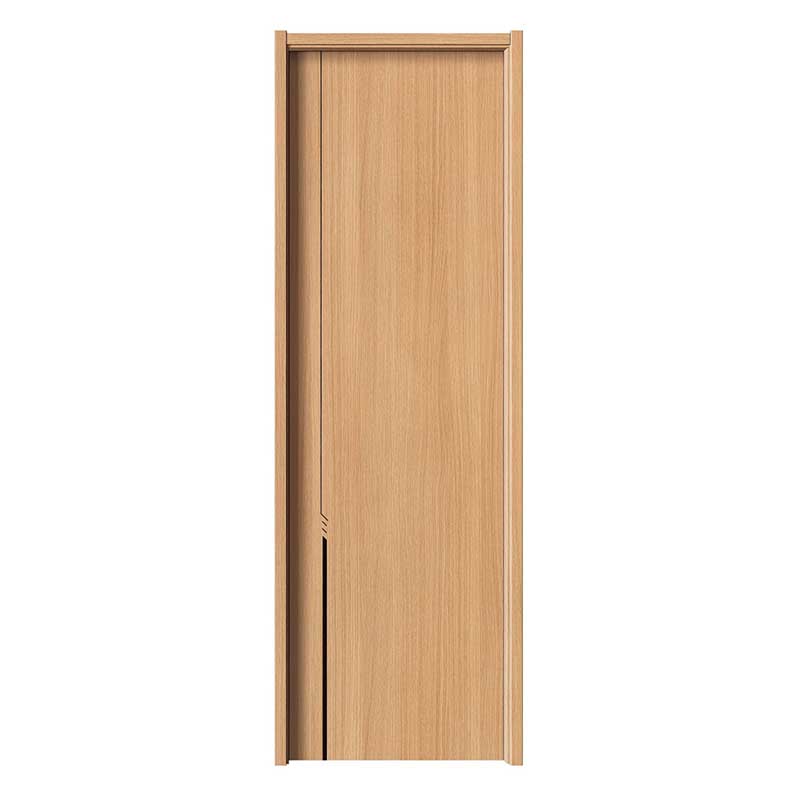




Riding the wave of green upgrading, Yingshengtai Wooden Doors sets a new industry standard with its advanced green technology
2026-03-30
This study takes Yingshengtai Wooden Doors as a case study illustrating the path of technological innovation in the context of the growing trend towards green modernization. The company's recently launched Jingquan+ series features proprietary soy protein-based bonding technology, developed in-house, as an alternative to traditional urea-formaldehyde resins. This innovation marked a technical breakthrough, reducing formaldehyde emissions to ≤0.01 mg/m³. This result significantly exceeds the requirements of the E0 class standard (≤0.124 mg/m³) specified in the national standard GB/T 11718-2021 (Medium Density Fiberboards) and represents a comprehensive solution for creating a living environment with minimal formaldehyde content.
Field research carried out directly on site showed that the intelligent production base of Yingshengtai Wooden Doors in Anhui Province operates on the basis of a fully closed-loop automated production system. At every stage - from the selection and processing of raw materials to the packaging of finished products - real-time monitoring devices are installed, which makes it possible to create a closed-loop quality control system. The company consistently maintains a high level of R&D intensity (the ratio of research and development expenses to revenue) exceeding 8%. To date, the company has been granted many national patents; Significantly, a number of these technological advances have helped fill pre-existing gaps in the domestic industry, serving as a prime example of a development model driven by technological innovation.
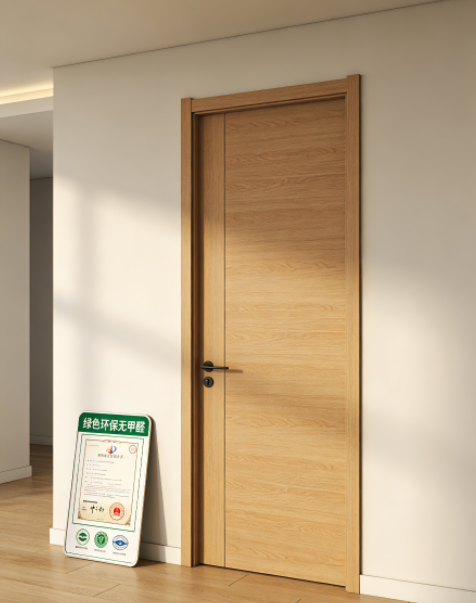
Industry analysis suggests that as consumers become more environmentally conscious, green manufacturing is becoming a key competitive factor for wood door manufacturers. The market validation data of Yingshengtai Wooden Doors' Jingquan+ series confirms the growing market acceptance of green products, thereby providing a practical and replicable model for the green transformation of the entire residential building materials industry.