



Professional installation: taking wooden door installation services to a new level
2026-05-06
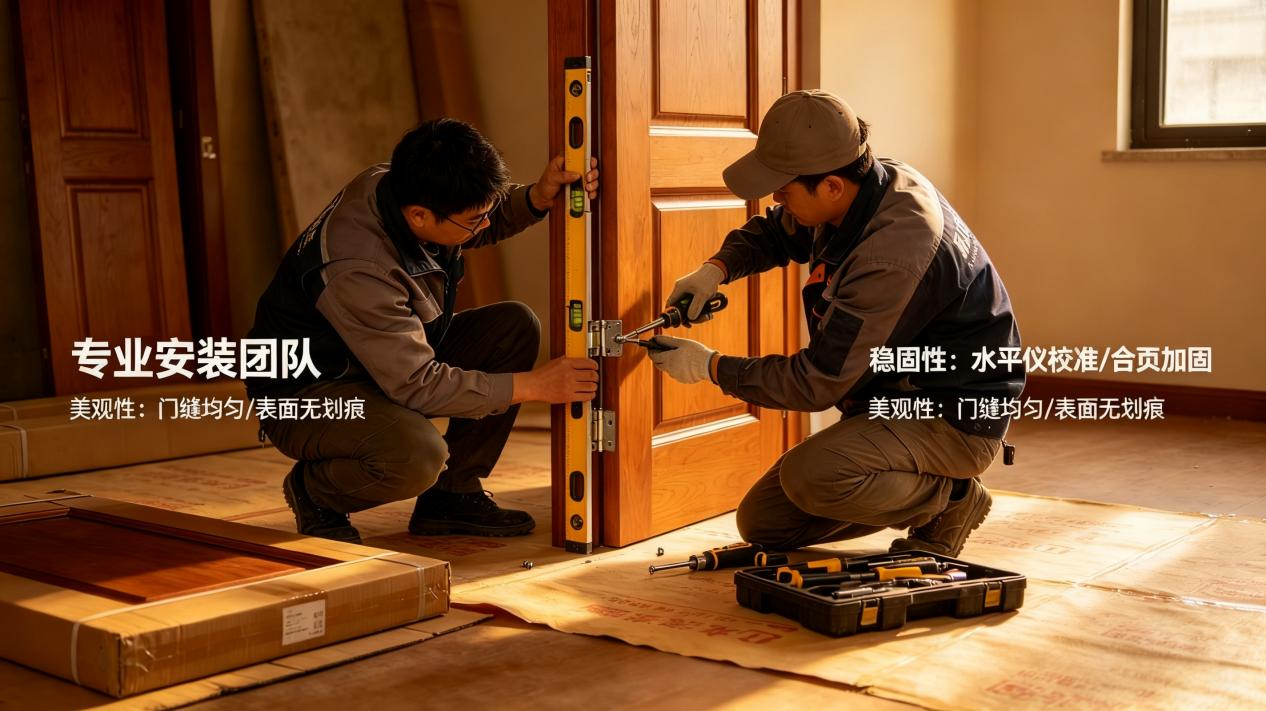
For any home, wooden doors are not just decorative elements; These are critical functional products that require proper installation and periodic maintenance. In an increasingly competitive market, the quality of services for the installation of wooden doors has become the subject of special attention. In this article, we will take a closer look at the professional aspects of installing wooden doors and the impact this process has on everyday life in the home.
Professional installation of wooden doors not only extends the life of the product, but also increases the overall level of safety and security of the home. For example, poor installation can lead to door leaf deformation or cracks, thereby creating a potential safety hazard.
In strict accordance with standardized operating procedures, the process of installing wooden doors usually includes several stages: taking measurements, positioning, fastening and final assembly. Through stringent quality control measures, we ensure that every product installed meets the highest industry standards.
I. Basic building standards
1. **Checking the site:** Upon arrival at the site, you must check the dimensions of the doorway, the evenness of the walls and the level of the floor. You should carefully inspect the door leaf, door frame and fittings, making sure that they are intact - there are no dents, color discrepancies or cracks.
2. **Requirements for the doorway:** The permissible vertical deviation of the walls within the doorway should not exceed 3 mm, and the horizontal deviation - 2 mm. The dimensions of the prepared doorway must strictly comply with standard specifications, ensuring the formation of uniform and standard gaps.
II. Door frame installation standards
1. **Attaching the frame elements:** The door frame elements must be securely fastened. Gaps in places where parts join must not exceed 0.5 mm, and corner joints made at an angle (on a “mustache”) must fit perfectly tightly against each other - without distortions or irregularities.
2. **Filling the gaps between the frame and the wall:** The space between the door frame and the wall must be completely filled with environmentally friendly foam; this ensures even distribution of the load and prevents voids or loosening of the structure.
3. **Alignment of the frame:** The door frame must be installed strictly vertically and perpendicularly (level and plumb) - without any tilting or deformation; In addition, the structure must be properly waterproofed and sealed.
III. Door leaf installation standards
1. **Smooth operation:** The door leaf should open and close smoothly, without jamming, extraneous noise or friction against the door frame. 2. **Standardized gaps:** Gaps around the perimeter of the door leaf must comply with the following uniform standards:
* Top gap (between the canvas and the box): 2–3 mm.
* Side gaps (between the canvas and the box): 2–3 mm.
* Bottom gap (clearance from the floor): 6–8 mm (standard for interior doors; provides ventilation and prevents friction against the floor covering).
3. **Alignment when closing:** When closed, the door leaf should fit snugly and evenly to the door frame - without distortion or play - providing an aesthetic and symmetrical appearance.
IV. Hardware installation standards
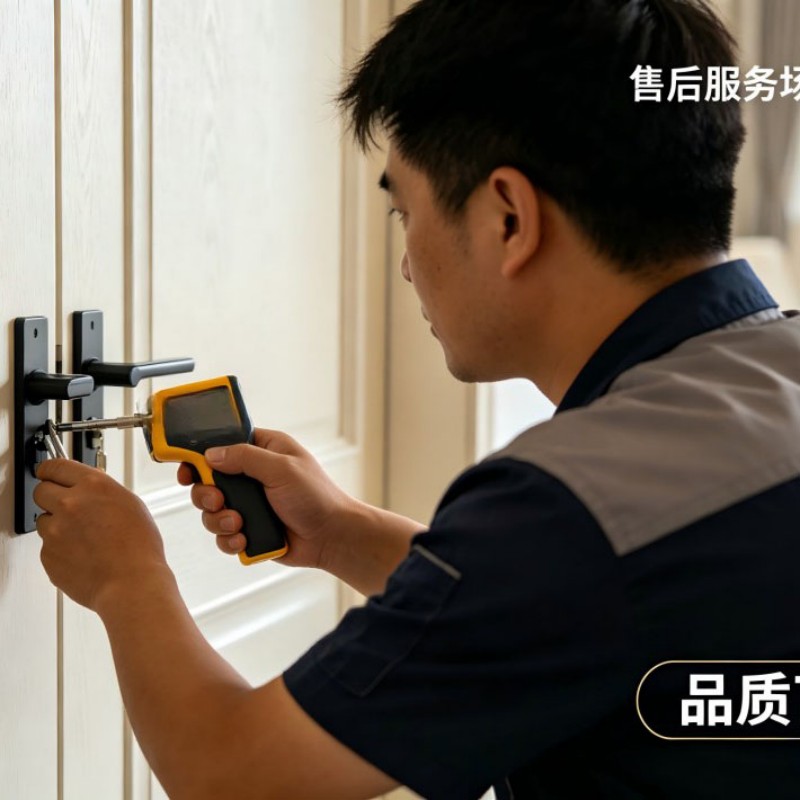
1. **Installation of hinges:** The hinges must be installed strictly vertically and securely fastened. All screws must be completely screwed in (flush) without stripping the threads, which guarantees stable load-bearing capacity of the structure when opening and closing the door. 2. Door locks are installed with high precision alignment; The locking and unlocking mechanisms operate smoothly, and the door handles are secured with just the right amount of tension—not too tight, not too loose.
3. Shockproof and soundproof seals fit perfectly, providing shock absorption and noise reduction when the door closes, and ensuring a tight and effective seal.
V. Sealing and finishing standards
1. The gaps between the wall and the door frame are filled with aesthetic sealant; The sealant lines must be straight, uniform, without breaks or excessive sagging.
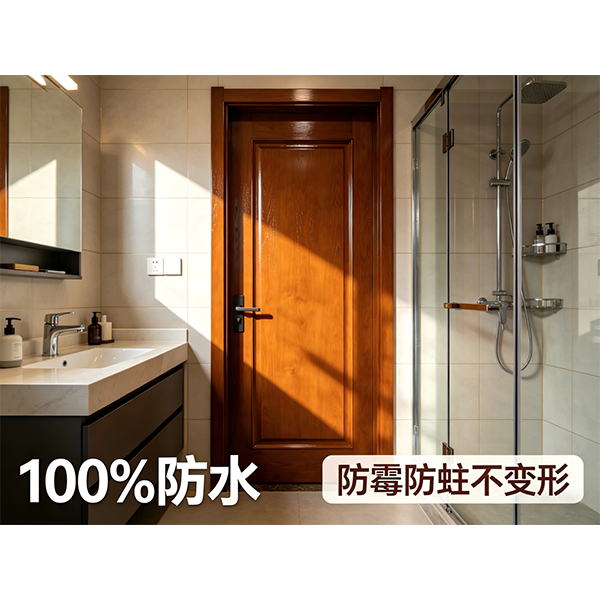
2. Wooden doors installed in kitchens and bathrooms undergo additional moisture-proof treatment to prevent deformation or mold caused by high humidity.
VI. Requirements for stability and guarantees for the structure
1. The overall structure should be stable, without any loosening or play; it must meet load-bearing capacity standards and not deform or sag during long-term use.
2. Upon completion of the installation work, a comprehensive self-test is carried out: the opening/closing mechanisms, sealing, alignment, gap sizes and all hardware components are sequentially checked.
3. The work site is thoroughly cleaned and put in order; installed products are reliably protected to eliminate the presence of construction debris and ensure that there are no dents or damage to the walls.
Choosing a professional and reliable wooden door manufacturing company is not just a confirmation of product quality, but also a manifestation of responsibility towards yourself and your family. We look forward to the opportunity to work with you and help you create the highest quality living environment.