



Growing global demand: coated WPC doors are becoming the new flagship in the export of building materials from China
2026-04-22
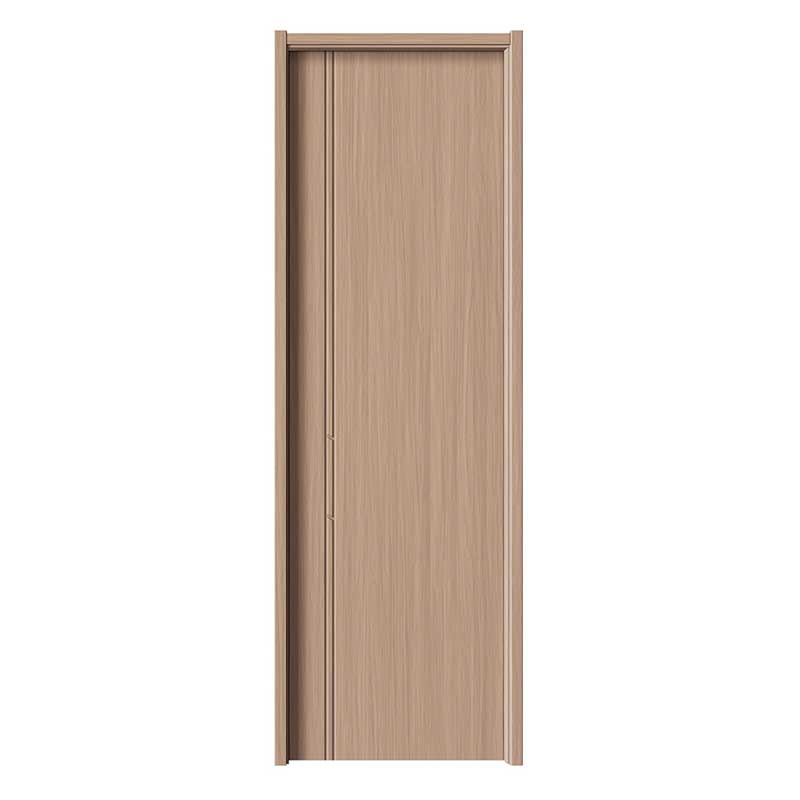
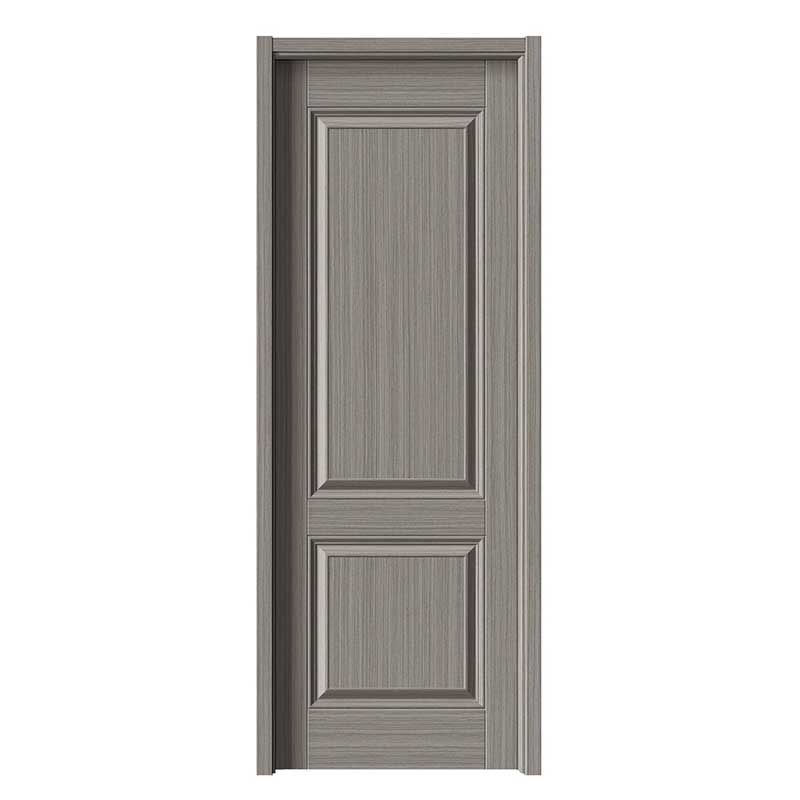
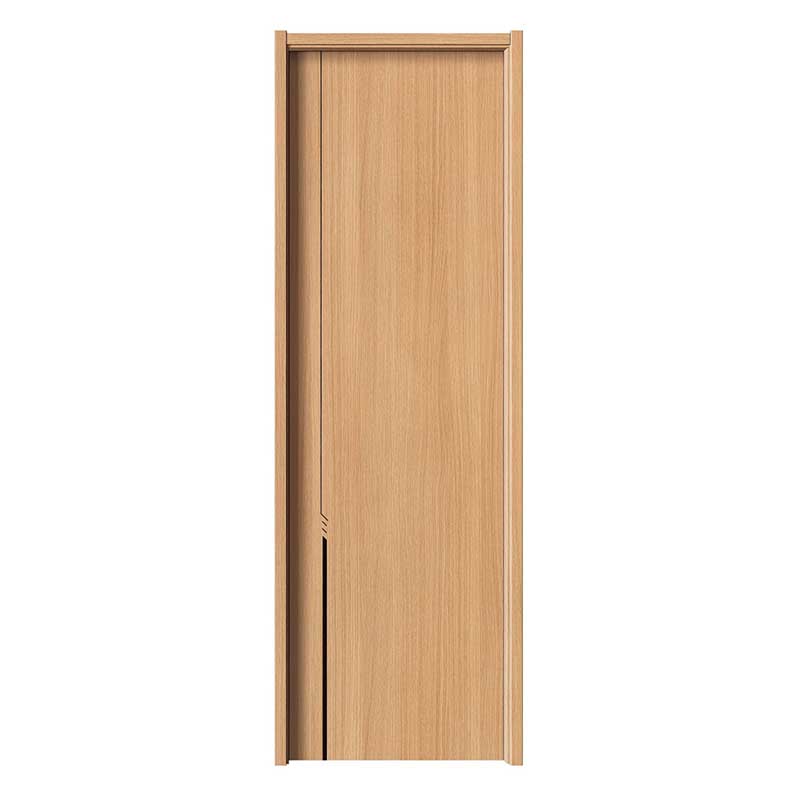
Due to their exceptional resistance to external influences and high cost-effectiveness, coated wood-polymer composite (WPC) doors have gained enormous popularity in overseas markets, particularly in the Middle East, Southeast Asia and Europe. They have become a bright new trend in Chinese exports of environmentally friendly building materials, clearly demonstrating the high technical level of China's manufacturing sector in this industry.
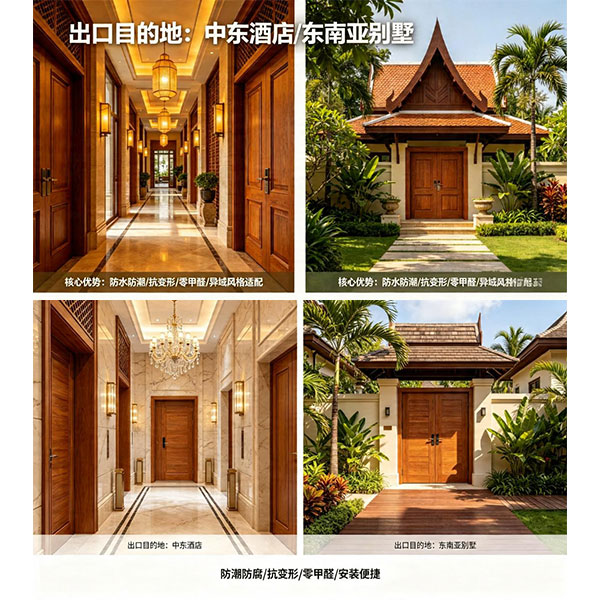
In recent years, in the wake of the global spread of green building concepts and the growing demand for high-quality building materials, coated WPC doors made in China have shown a steady increase in acceptance in overseas markets. With excellent environmental adaptability, environmental friendliness and excellent price-performance ratio, these doors have become a powerful new growth driver for the Chinese building materials export industry. Today, these products are widely exported to numerous countries and regions in the Middle East, Southeast Asia and Europe, providing clear evidence of the technical strength and innovative potential of China's manufacturing sector.
The Middle East is one of the key overseas markets for coated WPC doors. Characterized by consistently high temperatures - some areas exceed 50°C in summer - and high concentrations of salt spray in coastal areas, the region places extremely stringent demands on building materials in terms of heat, UV and corrosion resistance. Coated WPC doors are designed for stable operation in the temperature range from -20°C to +60°C; In addition, the chemical additives included in the material with UV filters effectively prevent aging and fading of products, and the outer layer of PVC coating provides reliable protection against corrosion caused by salt fog. Ideally suited to the climatic conditions of the Middle East, these doors have become the preferred choice for interior decoration in local hotels, private villas and premium residential complexes.
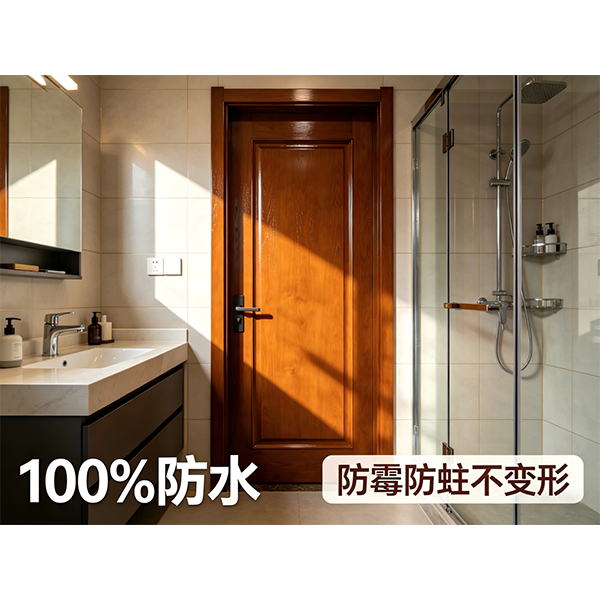
In Southeast Asia, a region characterized by high temperatures, heavy rainfall and high termite activity, traditional wood doors are at risk of insect damage and warping due to moisture. Coated WPC doors can effectively eliminate the food source for termites during the raw material preparation stage, thereby providing excellent resistance to insects and termites. Additionally, being 100% waterproof and mold resistant, they have become the primary choice for both residential and public buildings throughout the region. In the European market, doors made of wood-polymer composite (WPC) with decorative coating fully comply with EU environmental standards due to low formaldehyde emissions and recyclability. Moreover, the B1 fire resistance class and excellent technological characteristics of these products meet European requirements in the field of building safety and building regulations, which leads to a steady increase in demand for them in the market.
The competitive advantages of coated WPC doors in export markets are determined not only by their exceptional performance properties, but also by their high cost-effectiveness and wide possibilities for customization. Recycled PVC is used as the main raw material for the production of these products; As a result, the material costs for their production are lower than for the production of doors made of solid wood or high-quality doors made of aluminum alloys, and large-scale production allows further reduction of production costs. In addition, companies have the ability to tailor sizes, styles and colors to meet local building codes - thereby tailoring their offerings to the specific requirements of overseas customers - and thus meet market demand in a wide variety of countries and regions.
According to industry experts, with the global promotion of double carbon targets and the development of green building initiatives, the potential of overseas markets for coated WPC doors will continue to be fully realized. Looking ahead, Chinese wood-resin composite door manufacturers will continue to focus on technological innovation and strategic market positioning, targeting higher-end solutions and smart technologies, thereby opening up Chinese green building materials to an increasingly wider range of countries and regions.