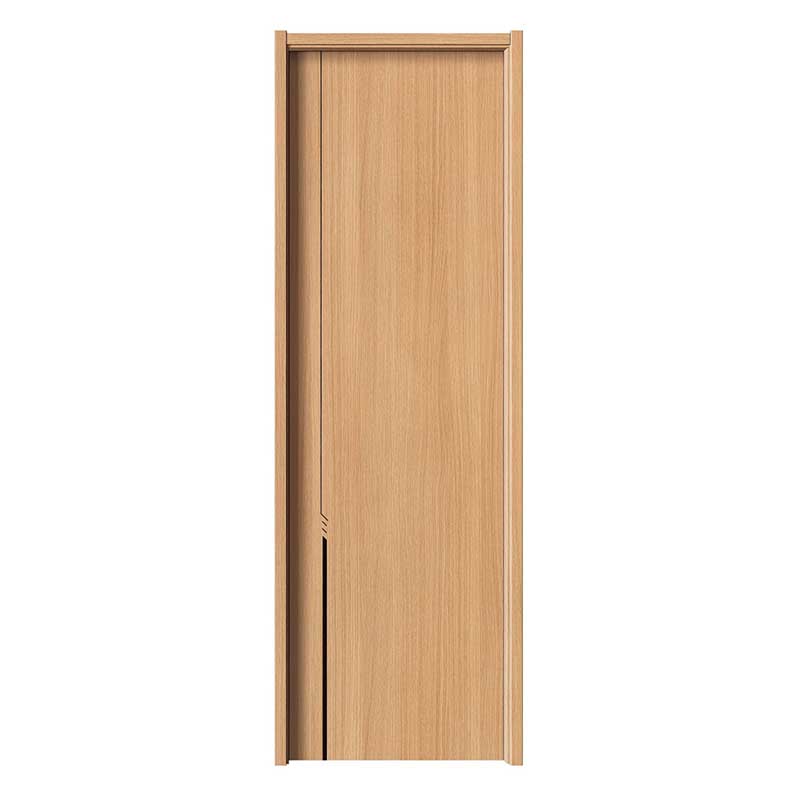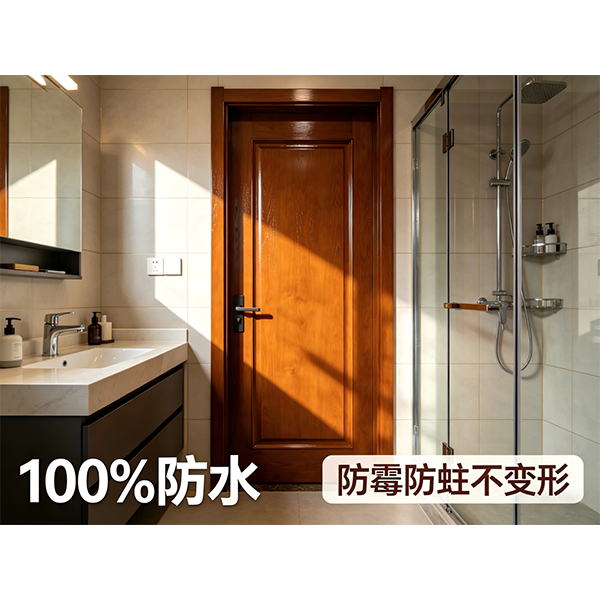




The evolution of green building materials: painted wood-polymer composite doors contribute to the creation of a healthy architectural environment thanks to their environmentally friendly qualities
2026-04-27
Against the backdrop of a nationwide policy to actively promote green construction and low-carbon building materials, the interior door industry is entering a new phase of qualitative renewal. Painted wood-polymer composite (WPC) doors—made from a mixture of wood flour and polymer materials—have become the preferred choice for homes, hospitals, schools, hotels and similar facilities. With their many benefits - including environmental friendliness, moisture resistance, durability and ease of maintenance - they offer a reliable solution for creating a healthy and comfortable indoor environment.
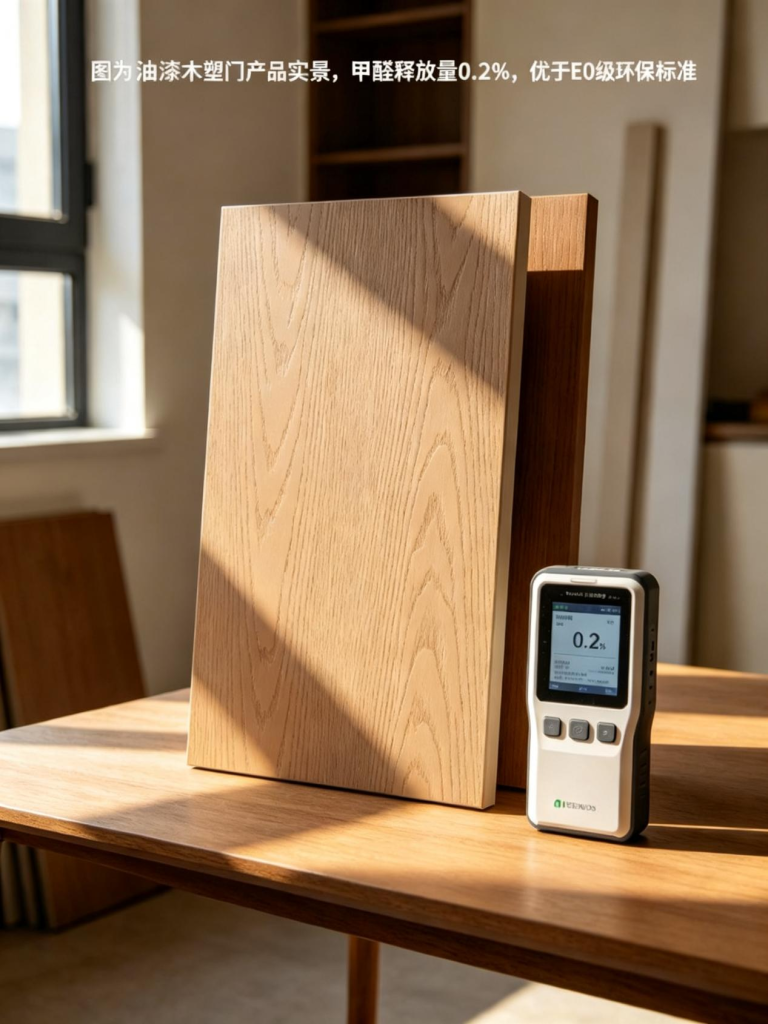
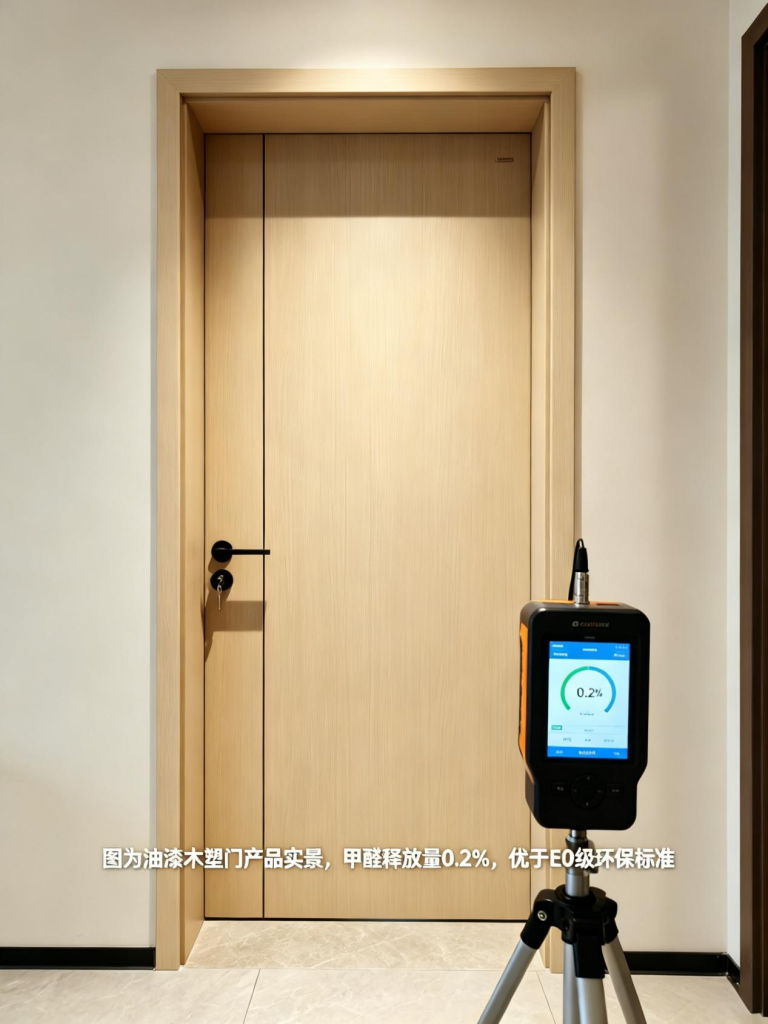
The main raw materials of painted WPC doors are wood fibers, recycled Grade A PVC and calcium carbonate; These materials are mixed in scientifically proven proportions and formed by casting. Recycled PVC makes up 50% of the total composition, and calcium carbonate makes up 40%; This formulation not only reduces the consumption of primary natural resources, but also promotes their recycling, thereby perfectly aligning with national development goals under the Double Carbon Strategy. With moisture levels as low as 0.3%, the product exhibits exceptional structural stability, effectively preventing problems such as moisture swelling, mildew and warping. Even more remarkable is the extremely low formaldehyde emission level of just 0.2%. This figure is significantly lower than the requirements of the national environmental standard class E0 and fully complies with strict European environmental standards. This ensures that the doors are safe to use in enclosed spaces, making them particularly suitable for environments with strict environmental requirements, such as hospital wards, school classrooms and children's rooms.
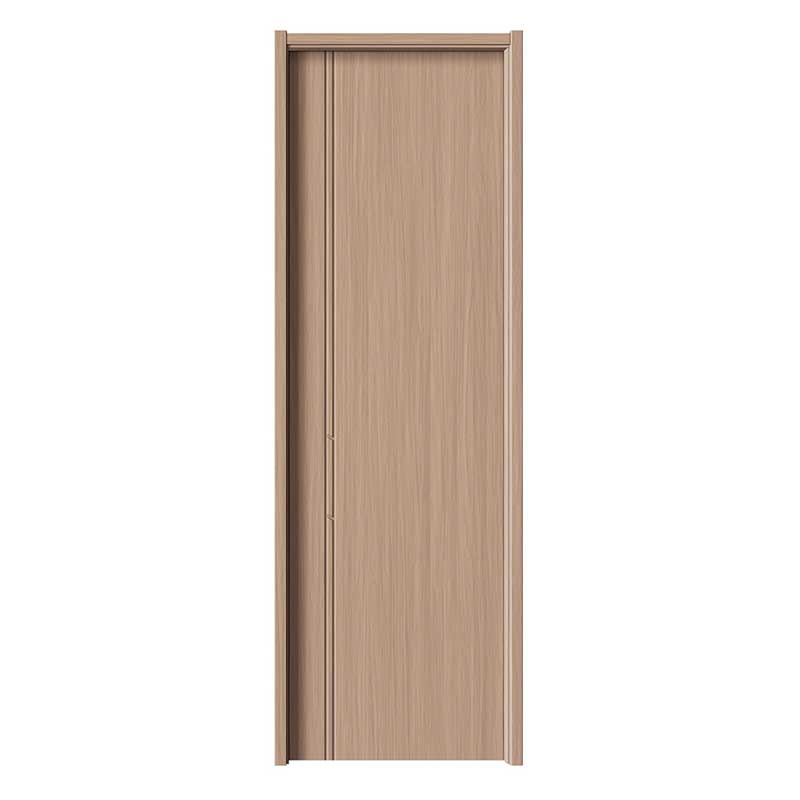
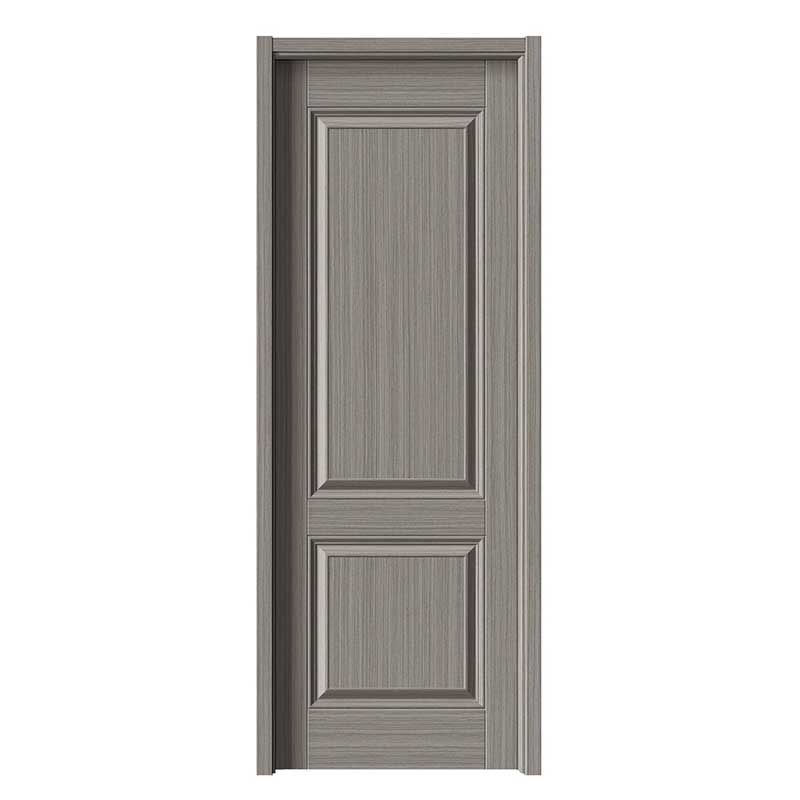
In terms of production technology, the one-piece extrusion molding method is used to produce painted WPC doors. The result is a door leaf with uniform density and high load-bearing capacity, resistant to cracking and deformation even during long-term use, which provides a service life that significantly exceeds the durability of traditional wooden doors. The surface of the product undergoes a thorough multi-stage processing, including three grinding cycles, application of two layers of primer and one finishing coat. Thanks to the use of environmentally friendly paints that do not contain volatile harmful substances, the coating is characterized by high adhesion, excellent resistance to moisture and abrasion, as well as a pleasant texture; For daily care, simply wipe the surface to keep it spotlessly clean and looking like new. The included door frames feature a 45-degree corner joint design with pre-drilled mounting holes. Equipped with built-in sealing strips and mounting hardware, they provide quick installation and guarantee excellent sealing, effectively performing the functions of sound insulation, protection against dust and moisture. These products offer wide possibilities for customization in size and design; The range includes various design options: from doors with a smooth leaf to models with decorative carvings or glass inserts. The color palette focuses predominantly on pure whites and milky tones, creating an aesthetic that is both simple and sophisticated. This design fits harmoniously into a variety of interior styles - from modern and minimalist to specific environments such as medical and educational institutions. Featuring fire rating class B1, resistance to insects (including termites), and resistance to acid and alkali corrosion, painted wood-polymer composite (WPC) doors perform consistently in temperatures ranging from -20°C to +60°C. This makes them especially suitable for areas with high humidity, such as toilets and bathrooms. The product has already found wide application in coastal regions and projects in the Middle East, successfully withstanding long-term exposure to harsh conditions characterized by high temperatures, high humidity and high concentrations of salt aerosols in the air.
Industry experts note that environmental friendliness, durability and standardization determine the vector of future development of the interior door sector. Thanks to the use of environmentally friendly materials, high quality workmanship and stable performance characteristics, painted WPC doors have successfully bridged the gap between the residential and commercial finishing markets. They not only satisfy the needs of private homeowners for environmental friendliness and aesthetics during renovation, but also meet the requirements for public buildings: the possibility of mass production, a high degree of unification and durability.
As policies continue to promote sustainable building materials, painted WPC doors will find use in an increasingly wide range of architectural applications. With their undeniable benefits of high quality, minimal environmental impact and long service life, they will help move the interior door industry towards a healthier, lower carbon and sustainable future.